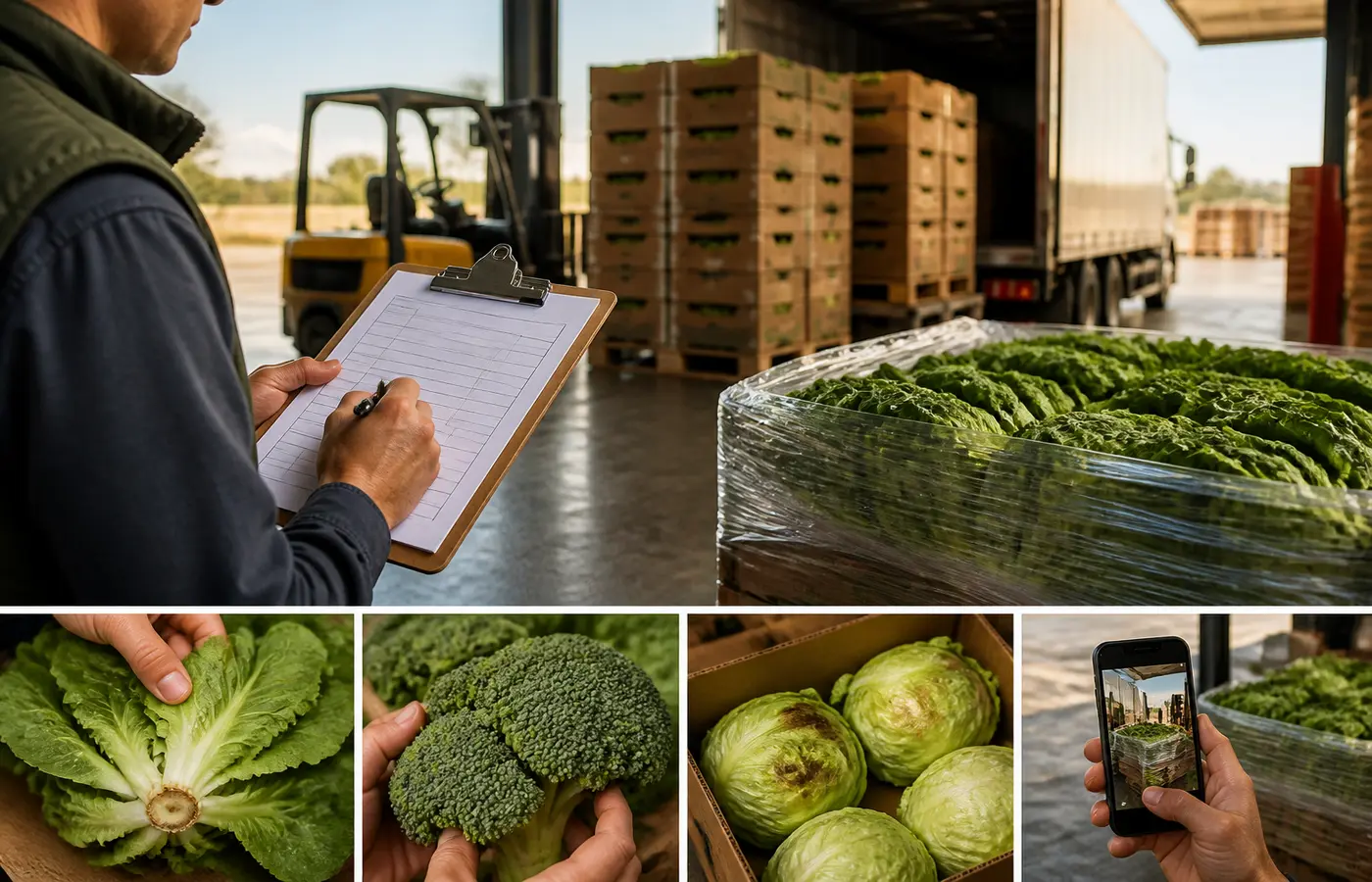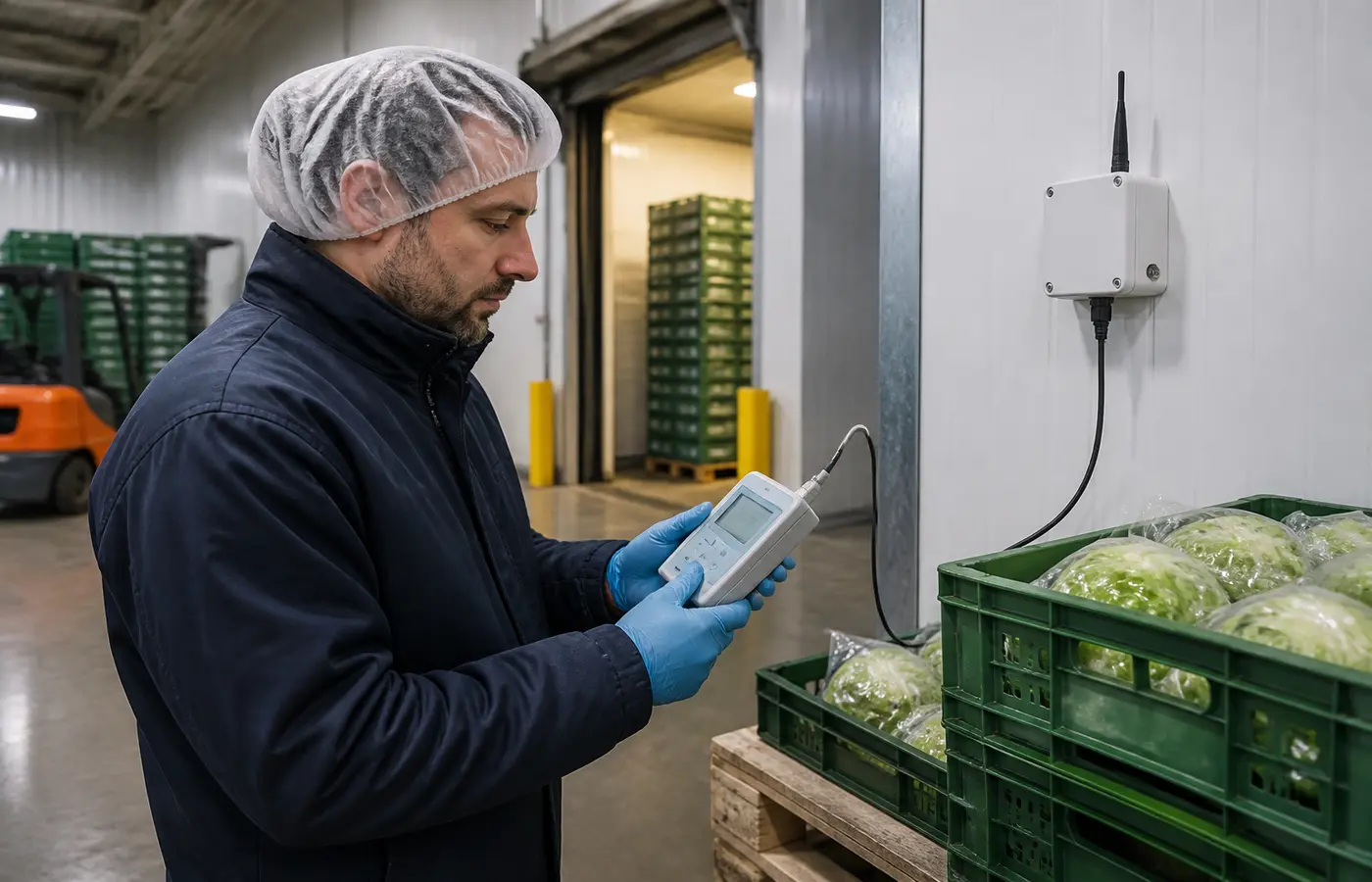
When a temperature alarm, missing monitoring interval or out-of-range reading is found, the immediate task is to create a reliable event record—not to decide whether the product is acceptable.
A cold-chain temperature excursion record should allow another person to understand what was observed, when it was found, what evidence exists, which product may be connected to the event and who is responsible for the next review step. It should preserve uncertainty where facts are incomplete.
This distinction matters. An alarm may be a valid review trigger, but it does not by itself establish that product is safe, unsuitable, releasable or subject to disposal. Product status depends on the applicable product specification, customer agreement, quality system and authorised review process. As Mercury notes in its general excursion documentation guidance, disposition should be based on documented exposure and product-specific evidence rather than on the existence of an alarm alone.
Start an event record without deciding the product outcome
Open an event record as soon as a potential deviation is identified. This may occur when a team member sees a temperature alert, reviews a logger export, finds a gap in recorded data or receives a report from an operational colleague.
The first record should state only what is known at that point. For example:
- a monitoring device produced an alarm at a stated time;
- a file shows no readings for a stated period;
- a recorded value appears outside the requirement referenced in a product or customer document;
- a vehicle, cold room or handling area was at a particular operational stage when the issue was noticed.
Avoid writing conclusions such as “product damaged,” “shipment acceptable” or “cold chain failed” unless those statements are part of a later authorised decision and can be tied to the relevant review record.
A useful practical separation is:
| Record component | Main question | What belongs there |
|---|---|---|
| Event record | What was observed? | Alarm, reading, missing data, time, location, product references and available evidence |
| Investigation record | What may have contributed? | Equipment condition, handling observations, access events, route information and unresolved questions |
| Decision record | What was decided and by whom? | Reviewer, evidence considered, approval or disposition, action owner and due date |
This structure prevents a common documentation problem: later interpretation being written into the original observation as if it had been known at the time.
Capture minimum facts while the evidence is still available
The first person finding the issue does not need to complete a technical assessment. They do need to capture enough information for the responsible reviewer to locate the relevant product and evidence.
Use the product requirement stated in the applicable specification, contract, customer instruction or approved internal procedure. Do not insert a generic temperature range into the form because a range used for one product category may not apply to another.
A minimum cold-chain temperature excursion record can include the following fields.
Event identification
- Unique event or deviation reference number
- Date and time the issue was detected
- Name or role of the person creating the record
- Site, warehouse area, vehicle reference or operational stage
- Linked shipment, storage, order or tracking reference where available
Product and movement references
- Product name or internal product identifier
- Lot, batch, pallet, handling-unit or container identifier where available
- Quantity or number of handling units, if confirmed
- Linked storage period, transport movement or loading activity
- Current known product location and movement status
Monitoring evidence
- Device or logger identification
- Sensor location if known
- Date and time range covered by the available data
- Observed reading, alarm or missing-data condition
- Source file name, screenshot reference or system record reference
- Relevant device calibration or verification reference where this is maintained in the team’s system
Notification and control details
- People or functions notified
- Notification time and method
- Immediate action already taken under local procedure
- Any existing hold, segregation or system-status reference
- Unresolved questions requiring review
This approach aligns with the general traceability fields described in Mercury’s guidance, including shipment references, product identifiers, logger identity, original data, timing, location and handoff information. Those fields are useful recordkeeping prompts, not a universal procedure or a substitute for an approved local SOP.
Preserve original monitoring and handling evidence
The event record should point to original evidence rather than overwrite it. If a reviewer cannot identify the source of a statement, the record becomes harder to assess and harder to defend during an internal review.
For each relevant item, distinguish between the original source, any working copy and the written summary.
| Evidence type | Record in the event file | Avoid |
|---|---|---|
| Logger export | Original file name, export time, device ID and storage location | Replacing the original export with a manually edited spreadsheet |
| Alarm notification | System reference, screenshot or alert record | Copying only an alert message without retaining the associated details |
| Handling note | Who recorded it, when and what operational stage it covers | Treating an informal recollection as a confirmed event timeline |
| Equipment or vehicle record | Record reference and applicable time window | Assuming a maintenance or route record proves product exposure on its own |
| Access or seal observation | Observer, time and factual observation | Concluding that access caused the excursion without investigation |
A narrative summary remains useful, but it should make clear that it is a summary. For example: “The following timeline is based on logger export file X, alarm record Y and receiving note Z.” This gives the reviewer a direct route back to each source.
Temperature readings, time stamps and handling notes are commonly treated as core cold-chain documentation. Tive’s overview of cold-chain logistics makes this general point. However, commercial guidance of this kind does not establish the evidence requirements for a particular Chinese site, commodity, customer programme or food-safety system.
Where access controls exist, record the storage location of original files and any restrictions on editing or downloading them. A simple file index can prevent evidence from being scattered across personal devices, messaging applications and separate operational systems.
Map which product may be involved and where it was held
Product scope should be bounded carefully. At the beginning of an event, a team may know that a monitoring device was associated with a trailer, room, pallet position or shipment, but not yet know the complete product population connected to that condition.
Instead of treating all nearby stock as affected, label scope clearly:
- Confirmed involved: product directly linked to the event by records already reviewed.
- Potentially involved: product that may be linked but still requires reconciliation.
- Not yet reconciled: product or movement references that cannot yet be confirmed or excluded.
- Not linked on current evidence: product assessed as outside the available event boundary, with the basis recorded.
For each confirmed or potentially involved line, record the product identifier, lot or batch reference, known quantity or handling-unit count, present location and movement status. If product has been physically segregated or placed under a hold in accordance with local procedure, record the relevant hold reference. Do not represent a hold as having occurred if the record only shows that it was discussed.
This is a documentation framework, not an instruction that all potentially involved product must be quarantined. As Veritiv’s cold-chain guidance notes, the operational response can depend on the product and quality requirements. The applicable organisation must determine what control action is required.
Keep the timeline, investigation and review decision separate
A review-ready file should not mix every kind of statement into one chronological note. Use three connected records or sections.
1. Factual chronology
Build a timeline from identifiable sources. Include the event detection time, available monitoring timestamps, operational stages, notifications and known product movements. State the source for important entries where possible.
If the start or end of a condition is not known, write “not established from available records” rather than estimating. A gap in evidence is itself an important finding.
2. Investigation record
The investigation examines possible contributing conditions. Depending on the event and available records, this may include equipment status, power records, loading activity, access events, delays, handling notes, packaging observations or gaps in monitoring coverage.
The investigation should distinguish between:
- confirmed observations;
- explanations supported by evidence;
- possible explanations requiring further work; and
- matters outside the scope of the current review.
Do not turn a possible cause into a confirmed root cause simply because it seems plausible.
3. Review decision record
The review decision should name the authorised person or function, the evidence considered, the date of the decision and any follow-up action. It should also identify the action owner and due date where further work is required.
Pharmaceutical literature provides a useful general reminder that excursion records and durations need review, formal approval and timely notification to responsible parties. For example, a PMC article on pharmaceutical temperature-excursion management discusses these controls in a pharmaceutical quality-system context. It should not be read as food law, Chinese regulatory instruction or a universal release procedure for agricultural products.
Use a review-ready record for the next handover
Before handing the event to the responsible quality, product or customer-review function, check that the file answers these questions:
- What triggered the record?
- When was it detected, and what time period is supported by evidence?
- Which device, system or document produced the relevant information?
- Where are the original files stored?
- Which product is confirmed involved, potentially involved or not yet reconciled?
- What immediate controls have actually been applied?
- Who has been notified?
- What question is the reviewer being asked to decide?
- Who owns the next action, and when is it due?
The record does not need to resolve every uncertainty before review begins. Its job is to make uncertainty visible, preserve the original evidence and ensure that responsibility does not disappear between warehouse, transport and quality teams.
A practical next step is to compare this framework with your actual product specifications, customer commitments, approved quality procedures and local operating instructions. Then create a controlled form with fields your team can complete consistently. The form should support a product-specific assessment; it should never substitute for one.
Frequently asked questions
What should be recorded when a cold-chain temperature alarm is found?
Record the detection time, event reference, relevant shipment or storage reference, device identity, available readings or alarm details, product and lot identifiers where available, current location, people notified and the location of original evidence. Record the applicable product requirement by reference rather than adding a generic temperature limit.
Does a temperature excursion record determine whether product can be released?
No. The record supports the review by documenting observations and evidence. Product release, hold, rework, return or other disposition should be decided through the organisation’s applicable authorised quality process using product-specific requirements.
How should a team document missing or incomplete temperature-monitoring data?
State what data is missing, the time period affected, the monitoring device or system involved, when the gap was found and what related records are available. Do not assume the missing interval was compliant or non-compliant. Route the gap as a review question and preserve relevant system, handling and movement records.
Who should review a documented cold-chain temperature excursion?
The appropriate reviewer depends on the organisation’s quality system, product requirements, customer arrangements and assigned responsibilities. The event record should identify the person or function authorised to make the next decision, rather than assigning product status informally at the point of detection.
Source and further reading
ACA’s practical examples and working checklists are independent editorial analysis. The linked source provides the underlying reference; it does not endorse this article.