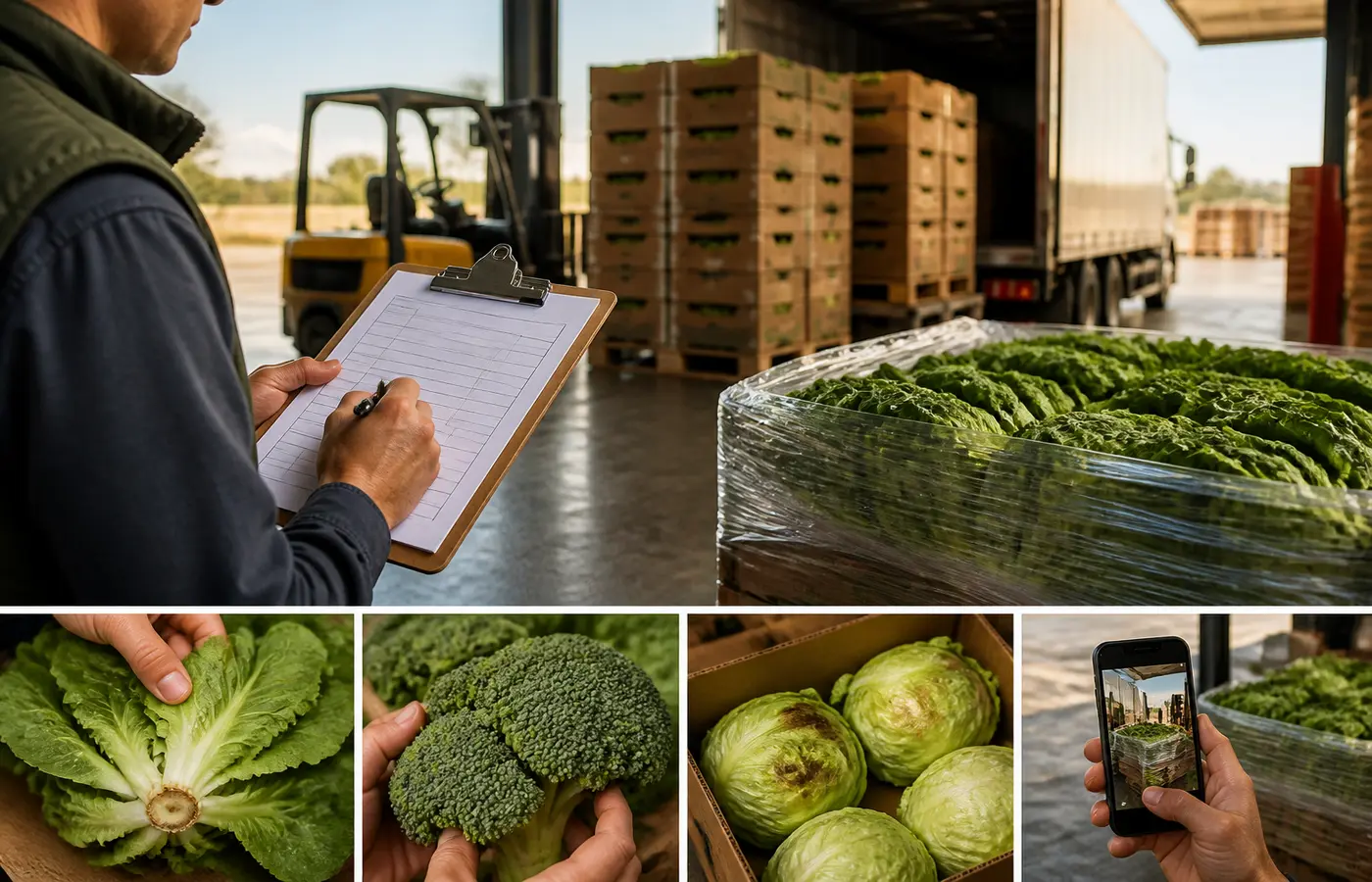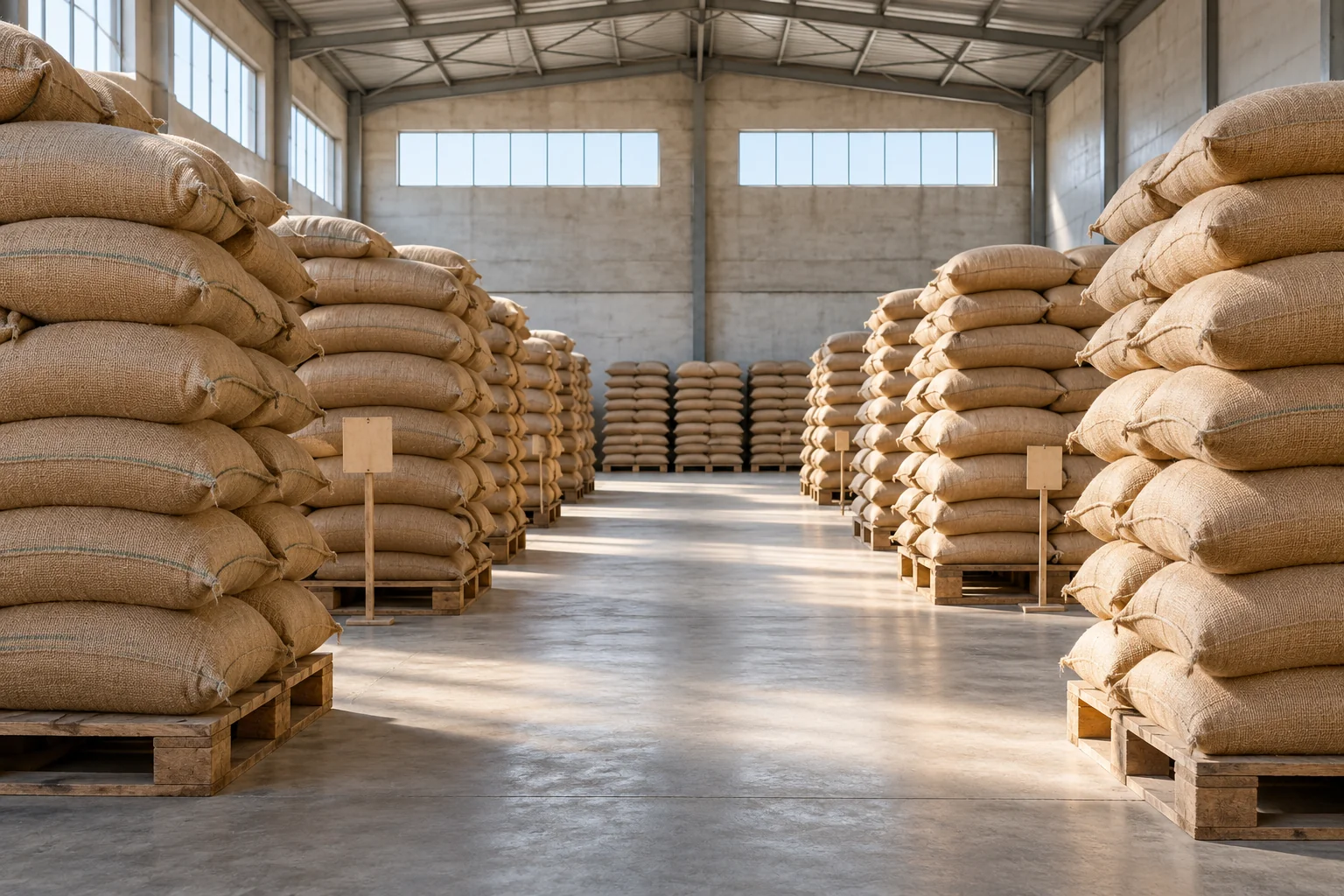
A warehouse total can be correct while the location of an individual batch is wrong. Another problem is the reverse: the team can see the goods but cannot connect them to their receiving and movement records. A useful storage system needs to answer both kinds of question.
The storage-management section of FAO’s Manual of the Prevention of Post-Harvest Grain Losses links defined responsibilities with store journals, stock sheets and stack cards. Its recordkeeping concepts remain a useful reference. This article does not reuse the historical manual’s chemical treatments, disposal instructions or numerical stacking guidance as current operating advice.
Give the physical location a stable name
Choose a location system the receiving, handling and dispatch teams can all interpret. If a store changes its layout, preserve how existing locations were renamed or moved. A reference that means one thing in an office and another on the warehouse floor cannot reliably connect the two.
Keep location separate from product identity. The place where a batch sits can change without changing the batch itself. A movement record should preserve the relationship rather than making the new location look like a new product.
Record movement as an event
Identify what moved, its previous location, its new location and when the movement occurred. Name the person or process creating the record. When a quantity is split, retain the connection to the original batch and use understandable units.
The timing of recording is an operational decision. Agree how the team handles a temporary system interruption and how those temporary notes later join the main record. An unexplained backfilled entry can make a discrepancy harder to investigate.
| Question | Record connection to check |
|---|---|
| What should be in this position? | Location to current batch and quantity |
| Where is this batch stored? | Batch to all recorded positions |
| How did it reach this position? | The relevant movement event |
| What changed after receiving? | Split, transfer or dispatch history |
| Who owns a discrepancy? | The person reviewing the open issue |
Run two retrieval exercises
First, select a storage position and compare its recorded contents with an appropriate physical check. Second, select a batch and find each recorded position where it is held. Use the operation’s established access and inspection procedures; this is not an instruction to enter an unsafe storage area.
Write down each point at which the exercise requires personal memory, an undocumented message or a separate record that cannot be linked. Those gaps are more informative than a general statement that the warehouse system works.
Preserve corrections as well as the corrected figure
If a discrepancy is resolved, record what changed and why. A correction should make the current record useful without erasing the information needed to understand the earlier mismatch. Distinguish a counting difference from an unidentified movement until the evidence supports a conclusion.
The same approach applies to a renamed location or a changed unit. A clean final total does not explain which records were reconciled. Keep the reasoning understandable for the next reviewer.
Connect storage with the wider record chain
Warehouse records are one part of a shipment’s history. Retain their connection to receiving references, batch identifiers and outgoing goods. This makes a traceability exercise more useful than a stock report that cannot follow the product beyond the building.
Start with a manageable area and an actual retrieval question. The goal is not a larger database. It is a record chain that lets another person establish where the goods are, how they moved and which issue still needs attention. Use local storage requirements and qualified technical guidance for physical handling and product-condition decisions.
Source and further reading
- Manual of the Prevention of Post-Harvest Grain Losses — Central Storage, section 5.2
FAO · Accessed 2026-10-13
ACA’s practical examples and working checklists are independent editorial analysis. The linked source provides the underlying reference; it does not endorse this article.