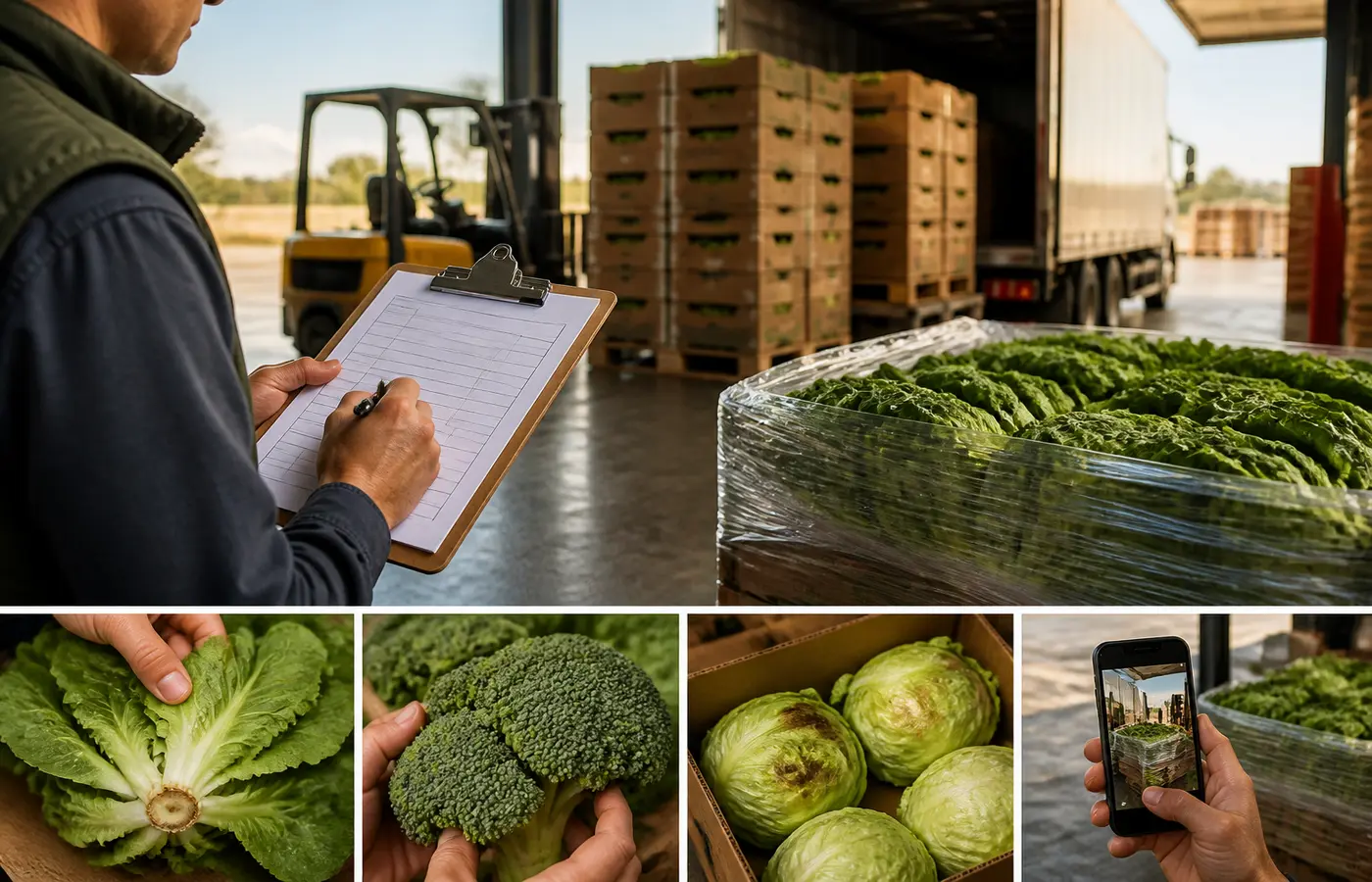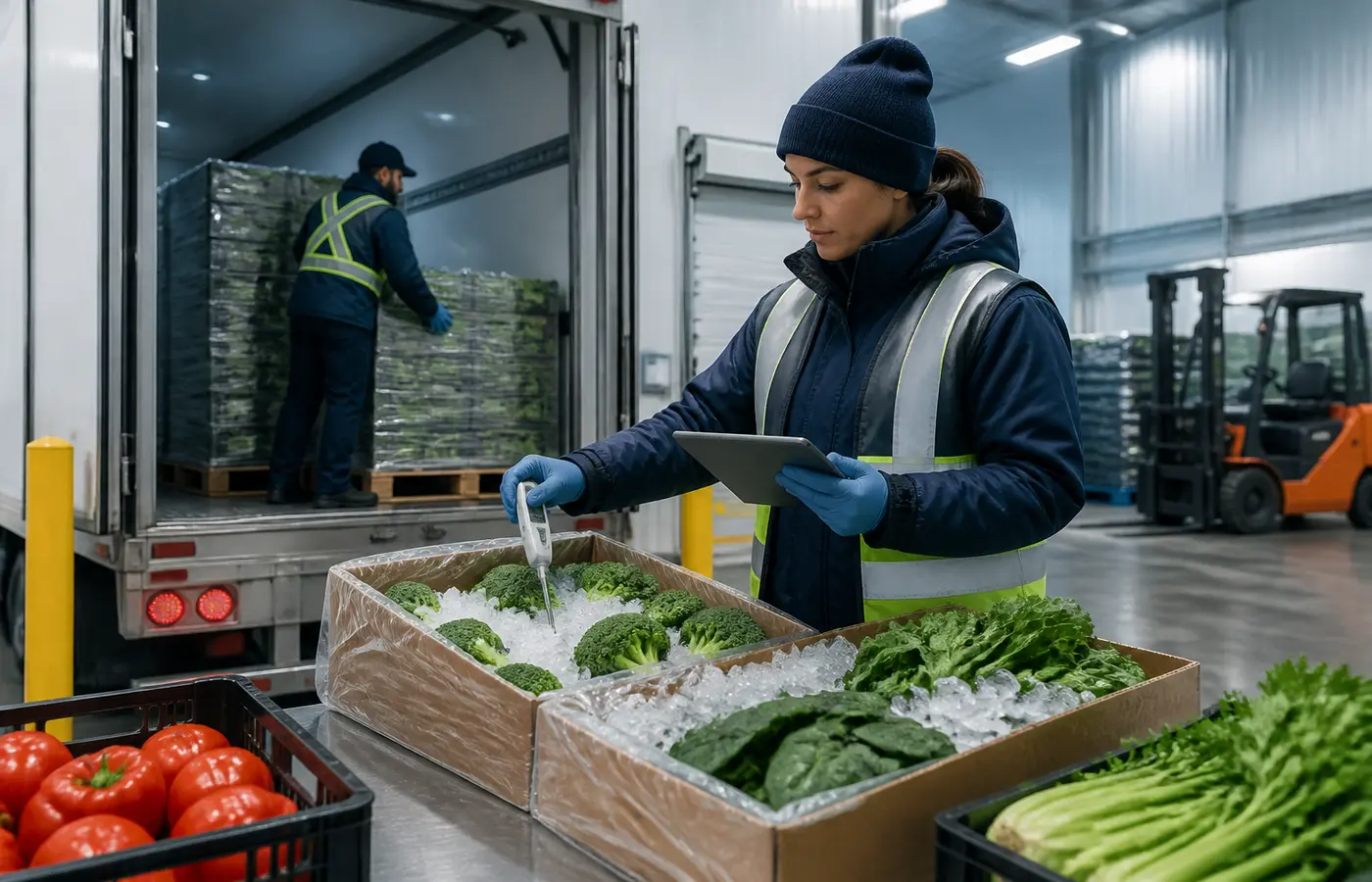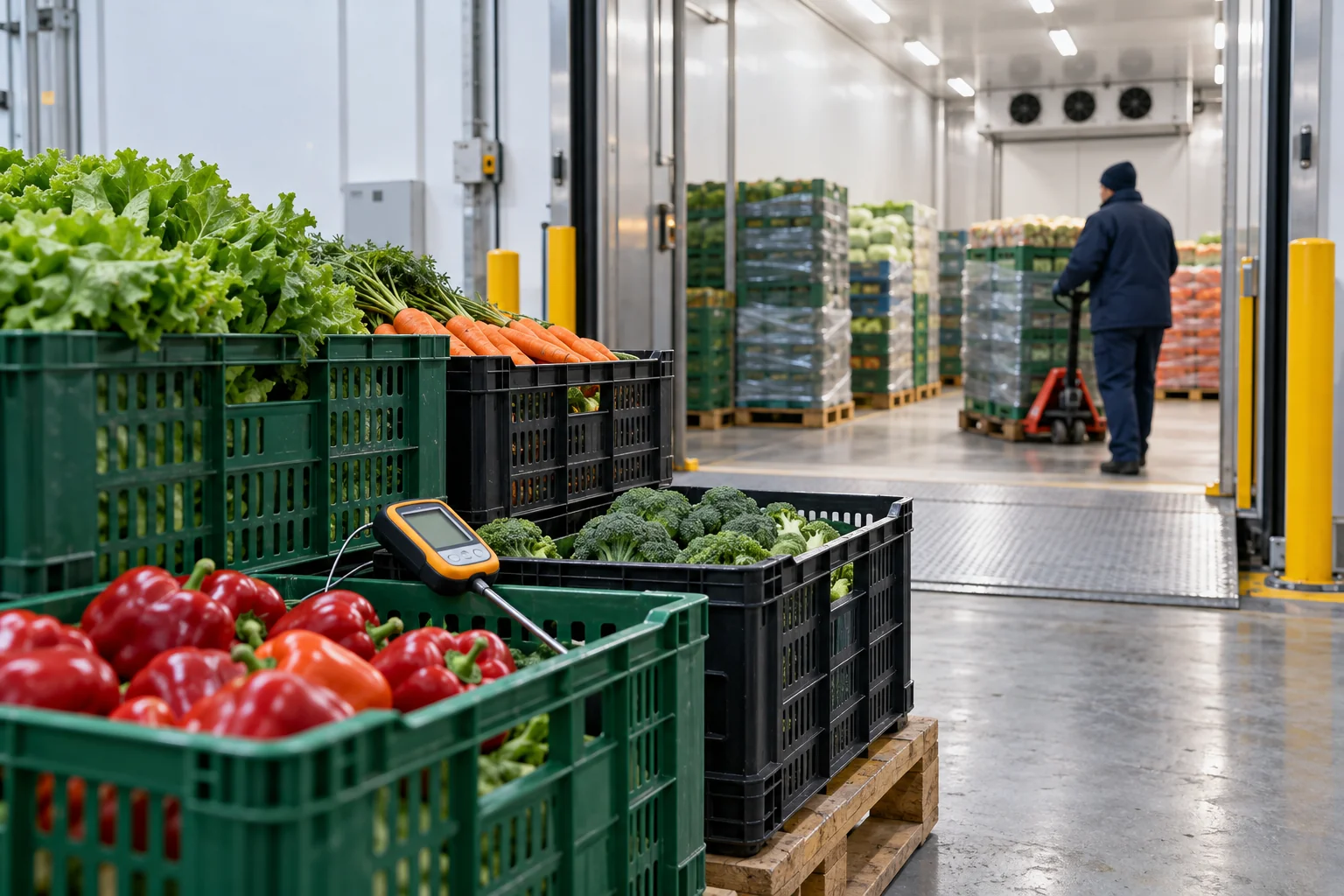
A refrigerated shipment changes hands more often than it changes vehicles. Packing staff, warehouse teams, carriers and receiving staff may each see only part of the journey. The difficult question is what the next team needs to know before it accepts responsibility for the goods.
The UNEP–FAO report on sustainable food cold chains, published in 2022, treats cooling as a food-system issue with environmental and efficiency consequences, rather than simply a question of adding refrigeration. This article applies that systems perspective to one operational boundary: the handover. It does not repeat the report’s historic loss estimates as current data or supply a universal storage temperature.
Map the transfer before designing the form
Choose one product route and list the points where responsibility changes. Include temporary holding areas, outsourced handling and the final receiving process. For each point, identify who releases the goods and who accepts them.
A route map is useful when it reflects what happens during a busy shift. If a team routinely stages a shipment somewhere not shown on the map, the paperwork may be missing a real transfer. Ask the staff doing the work to review the sequence before adding monitoring technology.
Make the shipment’s requirements accessible
Keep the applicable product and handling specification with the shipment reference. The person receiving the goods should be able to find the agreed conditions without asking the sender to explain them again.
Distinguish instructions from observations. A required handling condition is not evidence that the condition was achieved. A monitoring record is also only evidence for the location, period and method it actually covers. Preserve that context when the data are exported or summarized.
Give exceptions a route to resolution
A handover record should allow staff to report an incomplete document or an observed issue without first diagnosing its cause. Specify who makes the next decision and how the status is passed to the following team.
| Transfer question | Information to preserve |
|---|---|
| Which goods are changing hands? | Shipment and batch identifiers |
| What requirements apply? | The relevant specification version |
| What was observed? | Time, location, condition and record source |
| What remains unresolved? | A clear exception and its owner |
| Who accepted responsibility? | Receiving person or team and status |
This is ACA’s suggested communication framework. Product acceptance and any food-safety decision should follow the applicable procedures and qualified review, not a generic checklist.
Rehearse a delay without moving any goods
Use a tabletop exercise to test the process. Suppose a delivery reaches a receiving site after its planned slot. Who learns about the delay first? Which records reach the receiving team? Who decides whether further assessment is needed?
Do not try to solve the exercise by inventing a universal allowable delay. The purpose is to identify a missing contact, unclear ownership or information that is unavailable at the point of decision. Write down the gap and assign someone to resolve it before the next real transfer.
Ask whether the record supports a later investigation
Choose a completed shipment and reconstruct its handovers. Check whether the team can distinguish a required condition, a recorded observation and an unresolved exception. If the reconstruction depends on personal messages that are not linked to the shipment, the shared record needs a better connection.
For Chinese supply-chain operations, apply the same communication questions to the actual route and product. The international report does not replace local food-handling requirements. A reliable handover is one part of a wider cold-chain system, supported by suitable equipment, trained people and usable batch traceability records.
Source and further reading
- Sustainable Food Cold Chains: Opportunities, Challenges and the Way Forward
UNEP and FAO · Accessed 2026-10-13
ACA’s practical examples and working checklists are independent editorial analysis. The linked source provides the underlying reference; it does not endorse this article.