When a buyer and supplier disagree about produce grade at receiving, the first task is not to settle who is right. It is to preserve a clear, traceable account of the delivery before product is moved, mixed, repacked, sold or discarded.
A useful produce grade dispute record allows both parties to identify the same lot, see the inspection basis used at the time, distinguish observations from later interpretations, and understand what happened next. It should not be treated as proof of cause, liability, entitlement to a credit or a right to reject product. Those questions depend on the purchase agreement, the evidence available and the applicable jurisdiction.
The practical objective is narrower: create a record that can survive a handover from receiving staff to quality, procurement, supplier management or commercial teams.
Start by preserving the delivery and the inspection basis
Begin by making the disputed delivery identifiable. This sounds basic, but a disagreement becomes difficult to review once pallets have been split, labels removed or product combined with another shipment.
Record the delivery reference and the physical identifiers that connect the note to the product. Depending on the transaction, these may include:
- receiving date and time;
- supplier name and delivery vehicle or transport reference;
- purchase order, contract or shipment reference;
- product name, variety or pack description where stated on the documents;
- lot, batch, pallet, carton or package markings;
- declared origin where it appears on the shipment documentation;
- quantity received and quantity placed on hold, if applicable.
The inspection basis should be recorded separately from the lot identity. State the document or agreed requirement being considered: for example, a purchase specification, contract clause, supplier specification, agreed grade description or receiving criterion. If no written requirement was available to the receiving team, say so. Do not fill that gap by assigning an assumed grade rule after the event.
This distinction matters because an observation such as “surface marks seen on sampled fruit” is not the same as a conclusion that the lot failed an agreed grade. The first describes what was seen. The second requires comparison with a relevant requirement.
The distinction is consistent with the practical framework in All China Agriculture’s guide to documenting a produce quality disagreement at receiving. It separates the purchase requirement, inspection method, observed condition, retained evidence and agreed next action so that later reviewers do not confuse one with another.
USDA materials provide examples of the kinds of identifiers used in inspection records, including product name, container brands or markings, and origin. Its PACA inspection presentation is a United States reference, not a grading rule or receiving procedure for China. It is useful here only as an example of why lot identification needs more than a general product name.
Record what was inspected, by whom and when
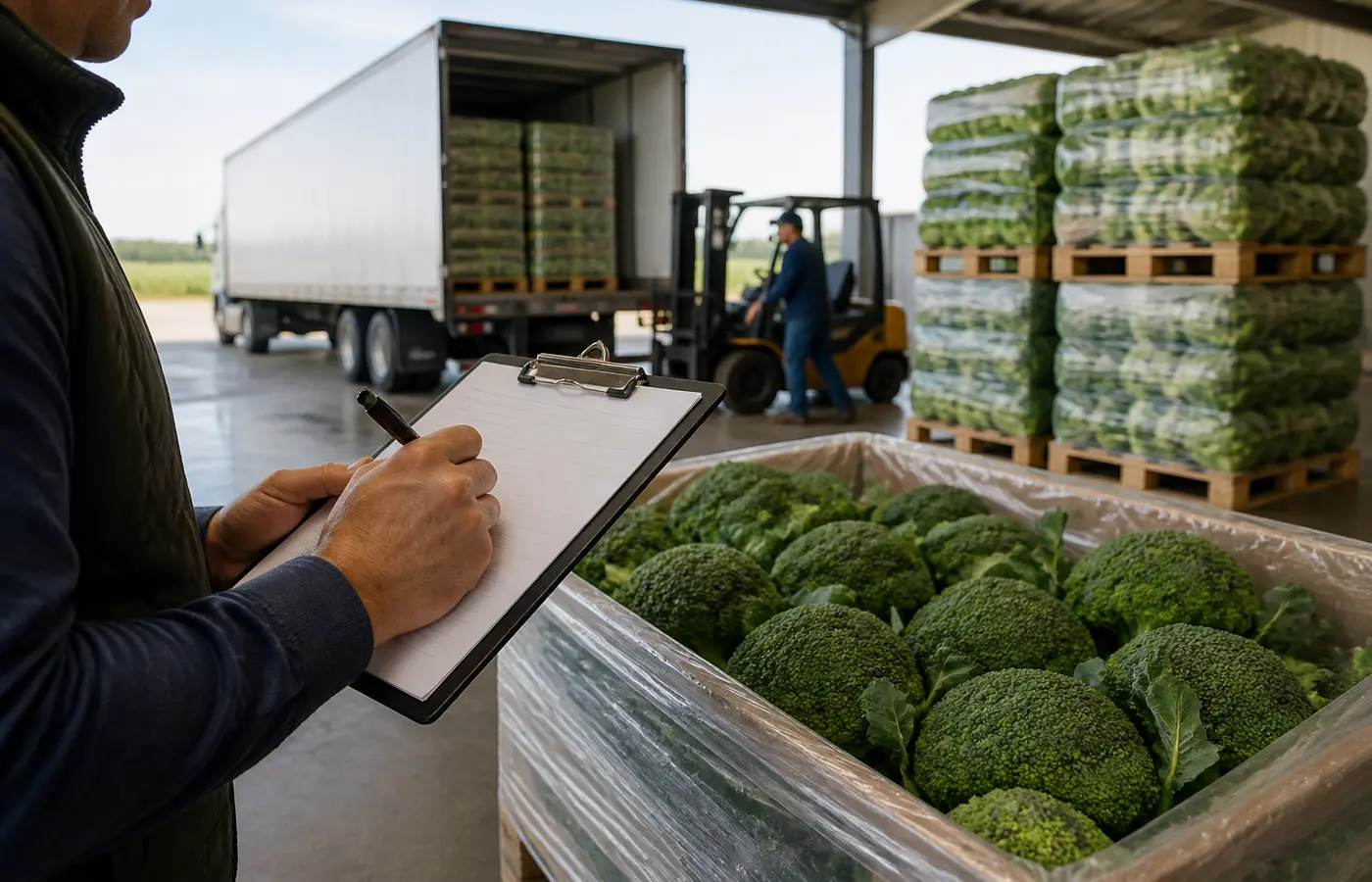
A disagreement record should establish the scope of the inspection. A reader should be able to tell whether the note concerns the whole delivery, selected pallets, a small number of packages or one visible area of a load.
At minimum, record:
| Record field | What it should clarify |
|---|---|
| Inspection time and location | When and where the product was examined, including whether it was still on the vehicle, at the dock or in a receiving area. |
| People present | The names or roles of receiving staff, supplier representatives, drivers, quality personnel or other observers present. |
| Product examined | The pallet, package, lot or area identifiers actually inspected. |
| Inspection scope | Whether the note covers all product, selected units, or only part of the delivery. |
| Method or reference used | The documented receiving procedure, contract specification, agreed sampling instruction or other cited basis. |
| Conditions at inspection | Relevant delivery context actually observed, such as package condition or the product’s location in the shipment. |
If only a portion of a delivery was examined, write that clearly and avoid language that implies a full-load finding. For example, “inspection observations relate to six identified cartons from two pallets” is more reviewable than “the shipment was below grade.”
The USDA AMS Customer Assisted Inspection Program Manual describes recording factors relevant to an inspection, samples analysed, sampling time and inspector initials on inspection notesheets. That manual concerns a specific USDA programme; it does not establish a required form for other markets. Its recordkeeping principle is nevertheless useful: the notes should show what evidence was examined and who documented it.
The same caution applies to partial inspections. A partial inspection can provide useful information about the portion checked, but it does not automatically establish the condition of unexamined product. Keep the inspection boundary visible throughout the record, including in any email summary or supplier notification.
Separate observations from grade interpretations
The most important drafting discipline is to write observations before conclusions.
An observation should be specific enough for another person to understand what was found without adopting the writer’s commercial interpretation. It may describe condition, location, count, packaging condition, colour, firmness or another characteristic that was actually inspected. If a measurement was taken, record the instrument reading, unit, time and point of measurement where those details are available.
A clear observation might state:
- “Package damage was observed on the outer cartons identified in the attached photographs.”
- “The noted condition was observed in the sampled units listed on the inspection sheet.”
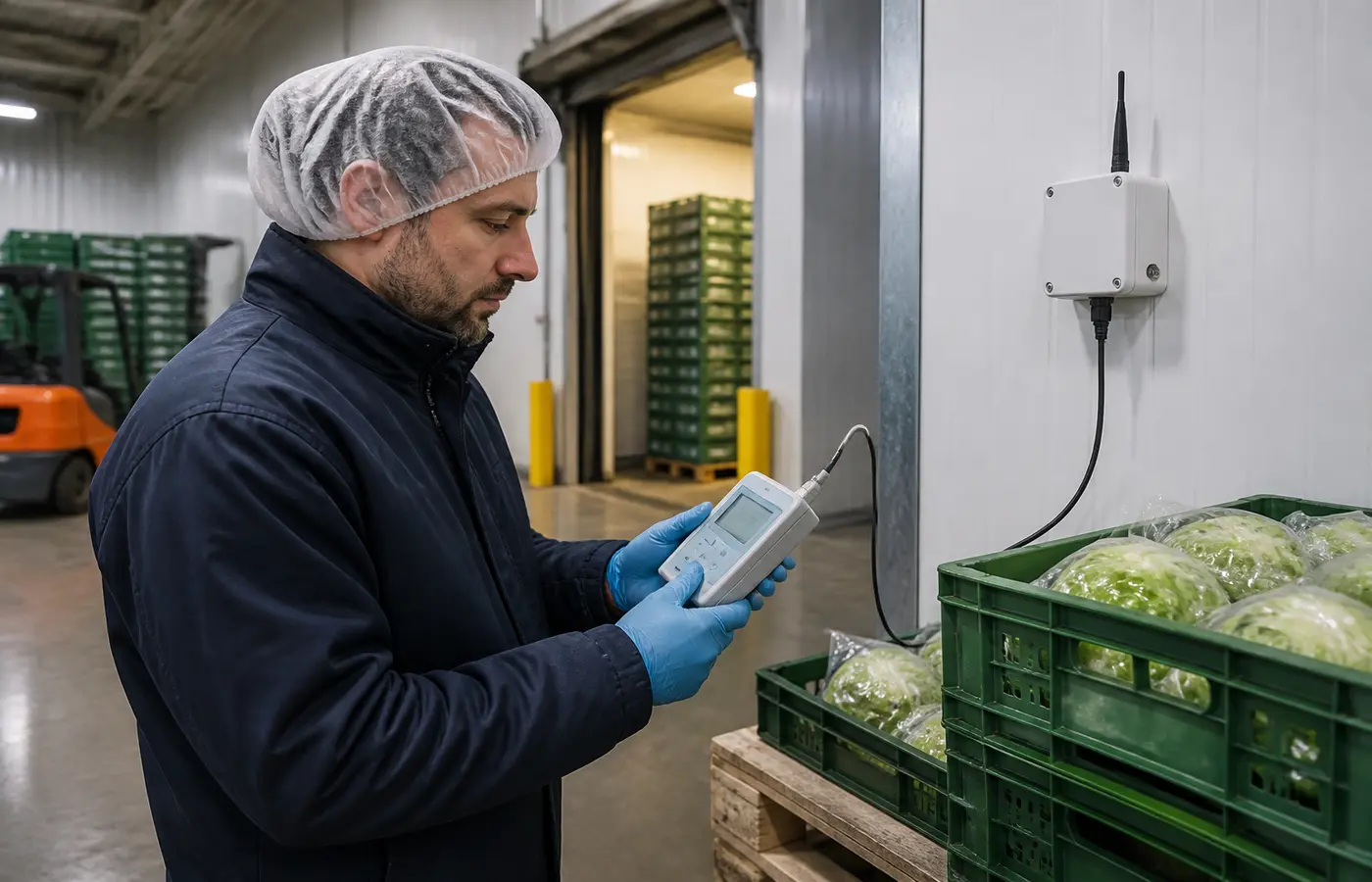
- “A reading was taken at receiving at the recorded location; the instrument and displayed value are included in the attachment.”
A less useful note would state only that the product was “poor quality,” “unacceptable” or “not grade compliant.” Those phrases may reflect a commercial position, but they do not show what was observed or how the conclusion was reached.
After the observation section, create a separate interpretation section. This is where the receiving team can state the requirement being compared and the current view of the disagreement. For example: “Buyer position: the observed condition may not meet clause X of the purchase specification.” The supplier’s position should be recorded in equivalent, neutral terms: “Supplier position: supplier disputes that the observed condition represents non-conformance under the cited specification.”
This structure does not force agreement. It makes disagreement legible.
The Fruit and Vegetable Dispute Resolution Corporation’s Good Inspection Guidelines emphasise uniform terminology, timely reporting and consistent inspection procedures. They are not a substitute for the parties’ own agreement or local rules. The transferable lesson is that consistent language makes results easier to review and less vulnerable to later misunderstanding.
Do not add a defect tolerance, sampling rate, grade threshold or commodity-specific test method unless it is stated in the governing agreement or an applicable standard that the team has actually identified. A generic dispute form should preserve facts, not create rules that were never agreed.
Retain evidence so the record can be reviewed
Evidence is most useful when it remains connected to the lot, inspection scope and time. A folder of unlabeled photographs may show a condition, but it may not show which pallet, package or delivery it came from.
A proportionate evidence bundle can include:
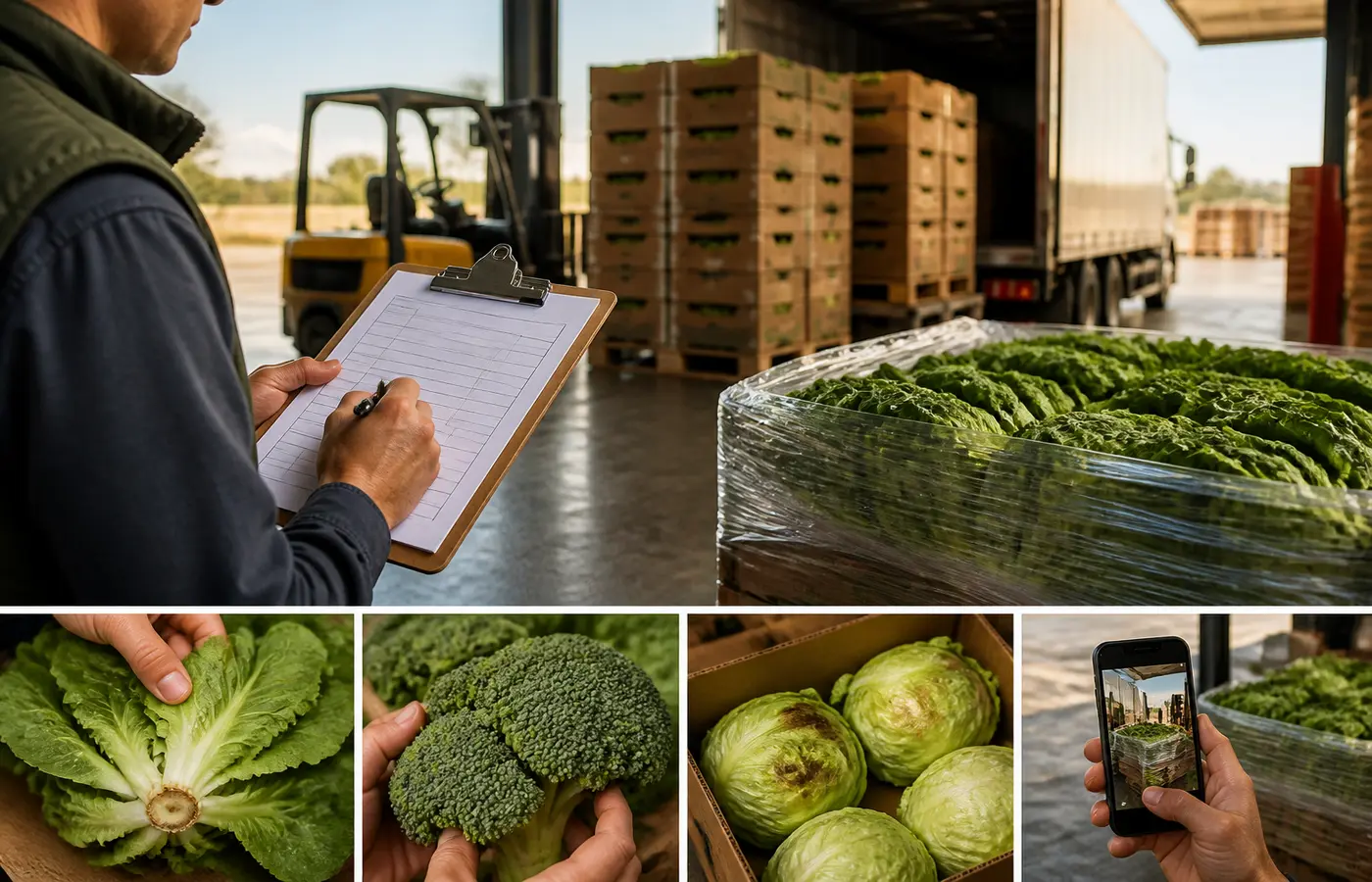
- dated photographs showing both the wider shipment context and close-up condition;
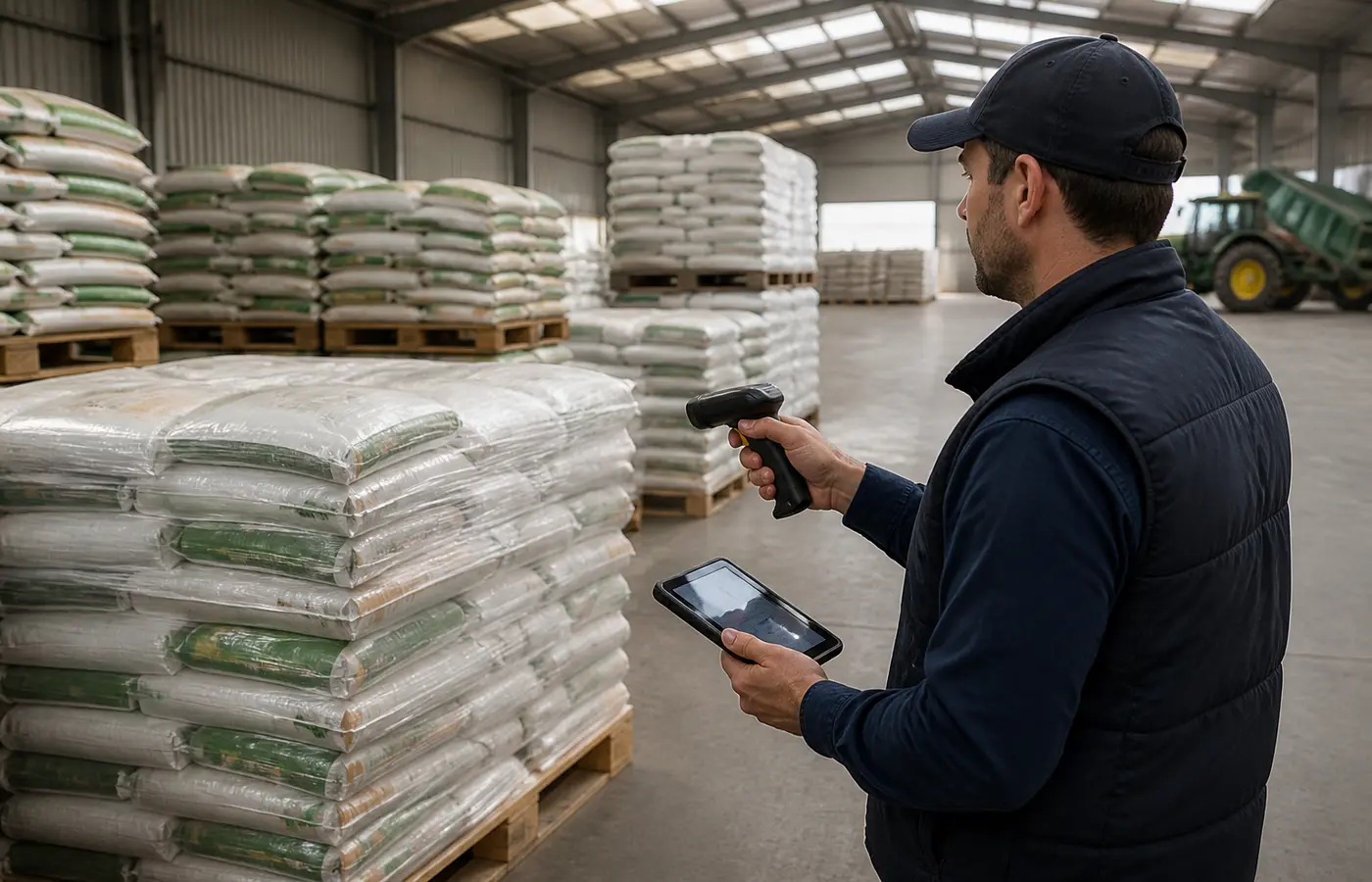
- images of pallet labels, package markings or lot identifiers where available;
- receiving notes and inspection sheets;
- delivery documents and relevant purchase specifications;
- instrument records or readings that were actually taken;
- relevant emails, messages or call summaries; and
- a record of samples retained, transferred or disposed of, where this occurred.
Photographs should be taken with enough context to connect them to the shipment. If conditions appear in more than one area, photographs should not focus only on the most severe example. The Feeding San Diego Produce Handling Toolkit suggests checking different areas of a shipment because conditions can vary within a load, and it recommends photographs from multiple areas for documentation. This is operational guidance from a specific context, not a universal inspection plan. It supports a limited practical point: evidence should make its location and scope clear.
Photographs, temperature readings and signed notes can strengthen a record, but none of them alone proves cause, liability or contractual entitlement. A photograph may not show what happened before delivery. A reading may not show the full product history. A signature may acknowledge receipt of a document without agreeing with its conclusions. State what each item does and does not establish.
Document the discussion, decision status and custody of the lot
A receiving disagreement often develops while the product must still be managed. The record should therefore include an operational status, not only an inspection narrative.
Use a section such as “interim status” to record what happened immediately after the issue was identified. Possible descriptions include:
- accepted pending commercial review;
- held pending supplier response;
- segregated from other stock;
- re-inspection requested;
- sample retained for agreed review; or
- escalated under the applicable purchase agreement.
These are examples of status descriptions, not prescribed remedies. Whether product may be held, rejected, sold, reworked, returned or credited depends on the parties’ agreement and applicable rules.
Record each party’s stated position, the time and channel of communication, the person responsible for the next action and any agreed response deadline. If no agreement was reached, record that fact rather than writing a conclusion on behalf of the other party.
Also record custody. Identify who controls the lot, where it is located and whether it was moved, released, separated, sampled or otherwise handled after inspection. This protects the practical handover: the next team should know both the documentary position and the product’s physical status.
Timeliness is important, but speed should not come at the expense of accuracy. A short same-day note identifying the lot, issue and interim status can be more useful than a polished report written after product details have been lost. Additional evidence and commercial correspondence can be attached as they become available.
Use a one-page disagreement record and close the handover
A one-page record can provide a disciplined starting point, provided it is adapted to the organisation’s purchase terms and receiving process. The following is All China Agriculture’s practical framework, not an official inspection form and not a substitute for contract terms, local requirements or independent inspection.
Produce grade disagreement record: working checklist
- Delivery and lot identity: supplier, delivery reference, receiving time, product description, quantity, lot and package identifiers.
- Requirement cited: purchase specification, contract reference, grade description or receiving criterion considered.
- Inspection scope: location, people present, units or areas examined, time and method or reference used.
- Observations: factual description of the condition observed, including location and any measurements actually taken.
- Interpretation: buyer position and supplier position, each linked to the cited requirement where possible.
- Attachments: photographs, inspection sheets, delivery documents, readings, correspondence and sample records.
- Interim custody: product location, hold or segregation status, movement restrictions if agreed, and sample location.
- Next action: re-inspection, review, commercial discussion or other agreed step; responsible person and target time.
- Unresolved points: items still awaiting confirmation, documentation or a decision.
- Acknowledgement: names, roles, date and time of those who prepared, reviewed or received the record.
Signatures or acknowledgements should be labelled carefully. A signature can confirm that someone received or reviewed the record. It should not be presented as agreement with every observation unless the signatory has explicitly agreed to that meaning.
Before the next disputed delivery, review the form with receiving, procurement and quality teams. Check that the purchase terms identify the relevant requirement, that staff know where records and images are stored, and that ownership of the next action is clear. That modest preparation can make the next handover faster and more defensible without assuming the outcome of the dispute.
Questions receiving teams often ask
What should be included in a produce grade dispute record at receiving?
Include lot and delivery identity, the requirement cited, inspection time and scope, factual observations, measurements actually taken, supporting attachments, each party’s stated position, interim custody of the product and the agreed next step. Keep observed facts separate from commercial conclusions.
Should the receiving team record a disagreement if only part of the load was inspected?
Yes. Record the portion examined and identify it as a partial inspection. The note can preserve useful evidence while making clear that unexamined product was not assessed through that inspection.
Can photos alone prove that produce failed the agreed grade?
Usually, no. Photos can document visible condition and context, especially when tied to lot identifiers and time. They may not establish the full inspection scope, cause of the condition, contractual interpretation or entitlement to a remedy.
Who should sign a produce grade disagreement record?
The person who prepared the record should be identifiable, and relevant receiving or quality personnel can acknowledge review. Supplier representatives may also acknowledge receipt or state their position if they are present. The meaning of any signature should be stated clearly so that acknowledgement is not mistaken for agreement.
Source and further reading
ACA’s practical examples and working checklists are independent editorial analysis. The linked source provides the underlying reference; it does not endorse this article.