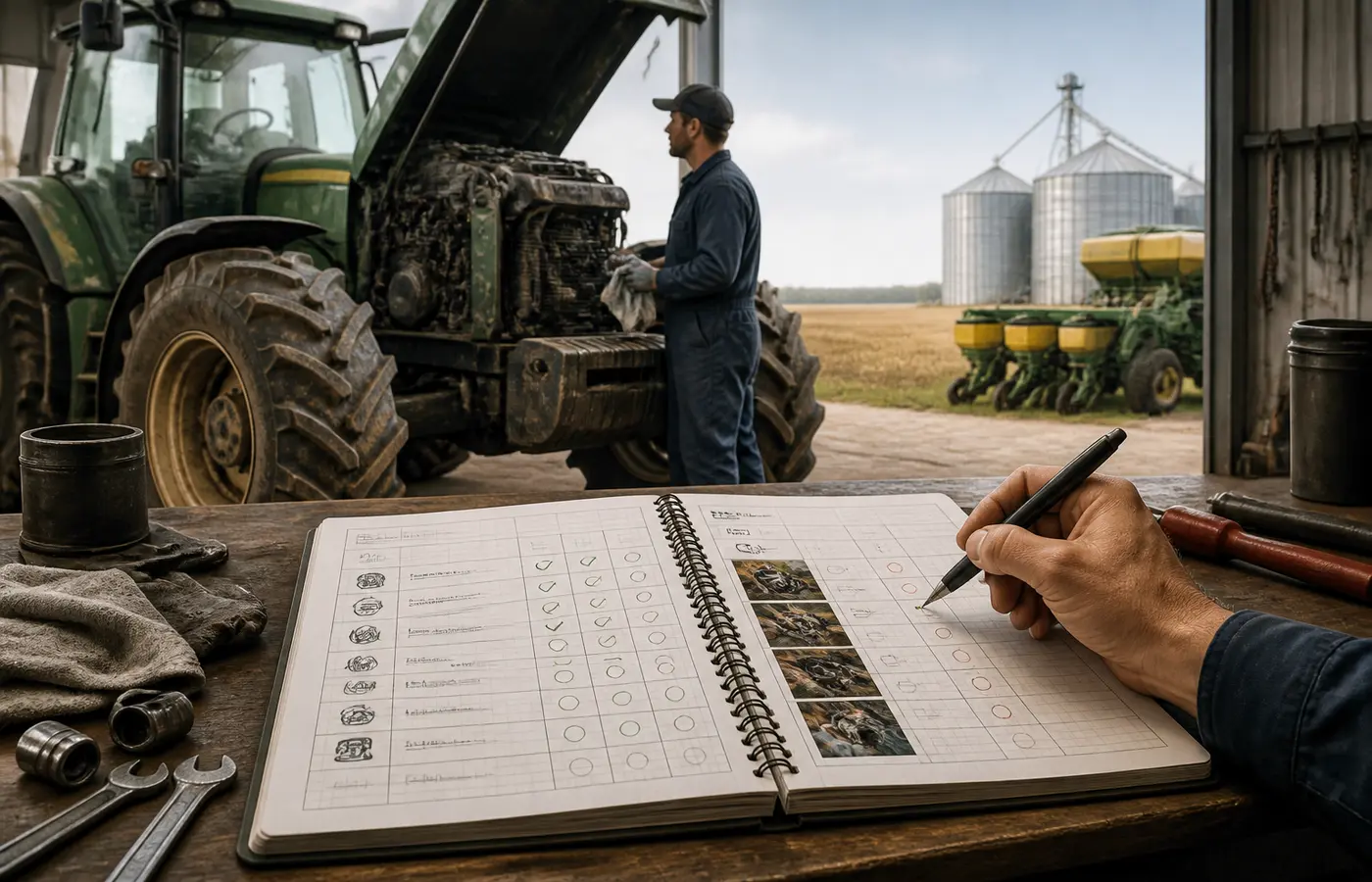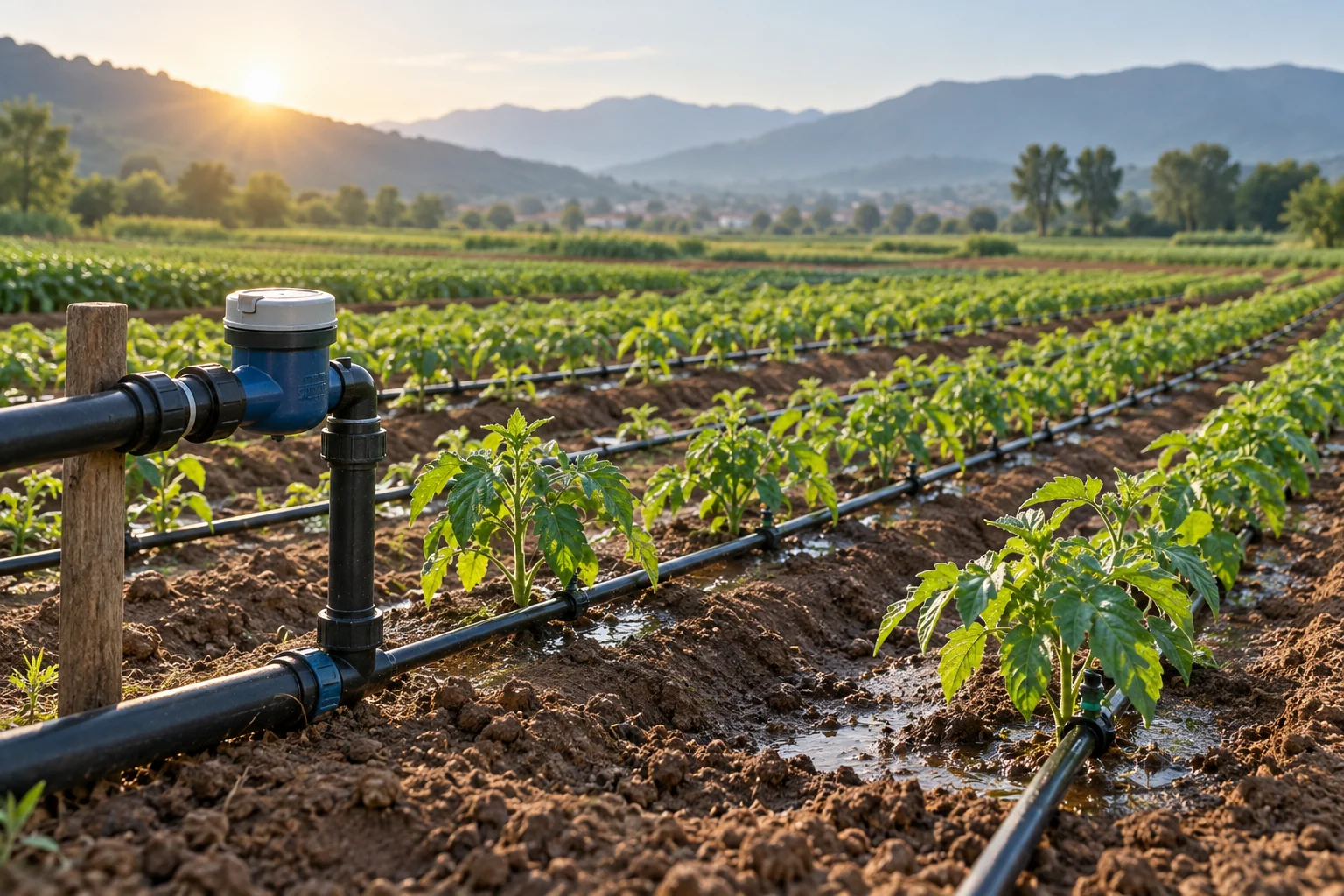
An irrigation schedule and an irrigation record answer different questions. The schedule says what the team intends to do. The record should explain what actually happened and whether anything needs attention. Mixing the two can make an incomplete operation disappear inside a tidy report.
In its irrigation management guidance, FAO describes modernization as a combination of technical, managerial and service improvements. The practical implication for a farm team is that information and responsibility matter alongside equipment. The log proposed here is ACA’s operational framework, not a crop-water prescription from FAO.
Give the planned operation an identity
Identify the field or zone, the intended date and the observation or plan that prompted the work. Use an identifier the next shift can find without a separate conversation. If a farm renames zones, keep a connection between the old and new names.
Record where a relevant reading was taken and its units. Do not let a measurement from one location silently become a whole-field observation. Where an amount or duration is estimated, mark it as estimated rather than measured.
Record completion separately
An operation can be planned, started, interrupted and completed. A single tick box may not distinguish these states. Include what was actually delivered or completed where that information is available, and record the reason for any difference from the plan.
Imagine a scheduled operation that stops because a team needs to inspect a line. Recording only the intended duration would leave the next operator with the wrong picture. The interruption and its status belong in the handover even if the original schedule remains unchanged.
Use an exception register
A short exception record can be more useful than a long narrative. It should identify the affected area, the observation, who was notified and what remains open. Do not require an operator to guess a technical cause before they can report a problem.
| Entry | Suggested content |
|---|---|
| Planned task | Field, purpose and intended timing |
| Actual operation | Start, finish and known delivery information |
| Exception | Uncompleted area or observed problem |
| Ownership | Person responsible for the next check |
| Follow-up | Observation and status after that check |
Use the table as a starting template and remove fields the team cannot maintain reliably. It is not a substitute for the operation’s existing instructions.
Review the outcome on the ground
The next visit should connect the operation to a field observation. Note where the result appears uneven or where equipment needs inspection. Keep that observation distinct from a conclusion about crop response or water needs.
A useful seasonal review asks whether the team could reconstruct an interrupted operation and whether the next person knew what to check. Counting completed forms is a weaker test: it says little about whether the records improved a decision.
Keep local requirements central
This is a management record, not a universal irrigation timetable. Crop stage, soil, equipment, water availability and local operating conditions all affect the actual decision. The FAO page discusses irrigation internationally and does not establish a suitable amount or interval for an individual Chinese farm.
Start with one zone and one recurring question. Review the log with the people using it, then revise the template around the information they genuinely need. Where digital tools are added, apply the same data readiness questions before assuming that automation will make the underlying records more dependable.
Source and further reading
- Irrigation management
FAO · Accessed 2026-10-13
ACA’s practical examples and working checklists are independent editorial analysis. The linked source provides the underlying reference; it does not endorse this article.