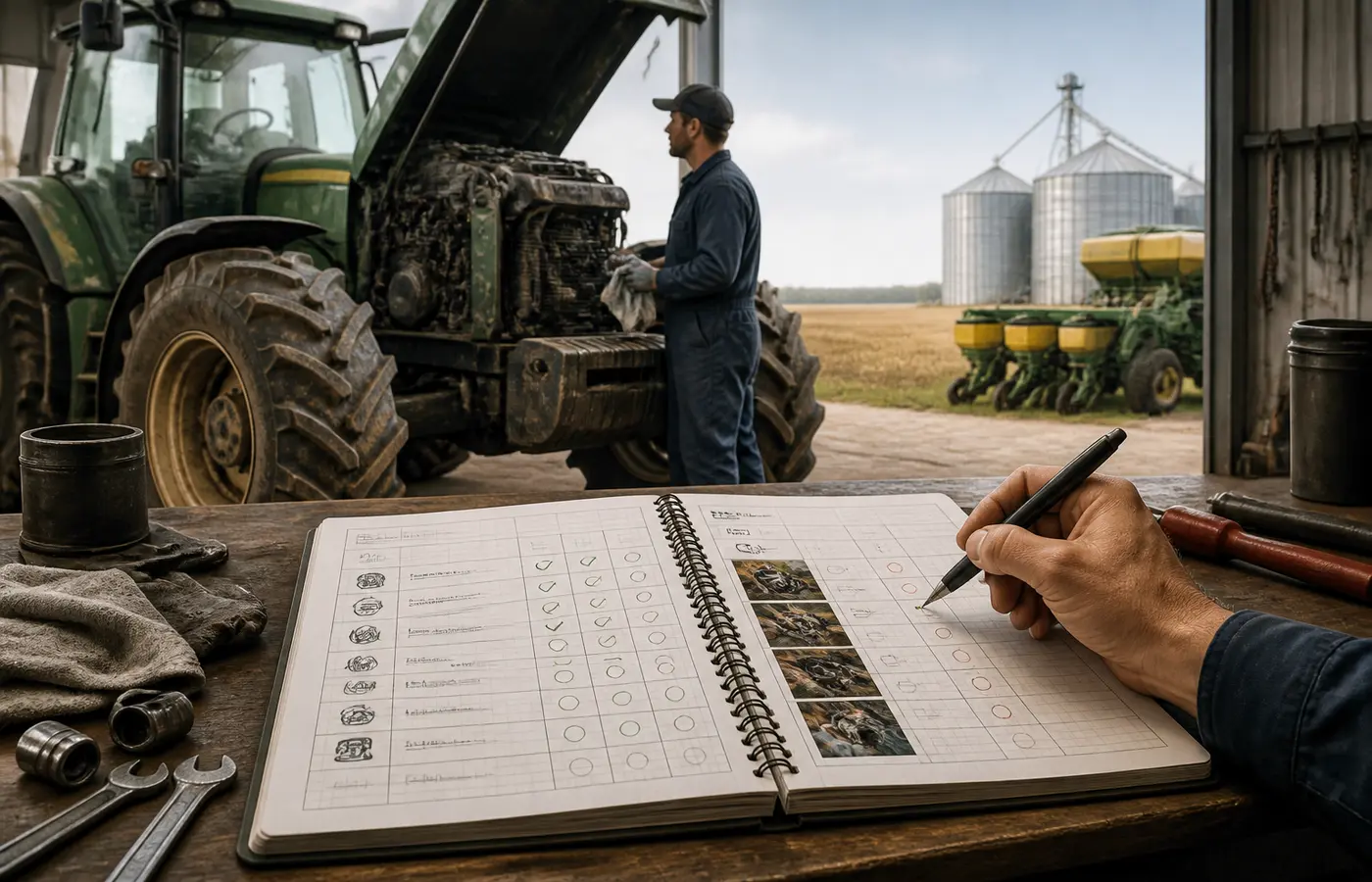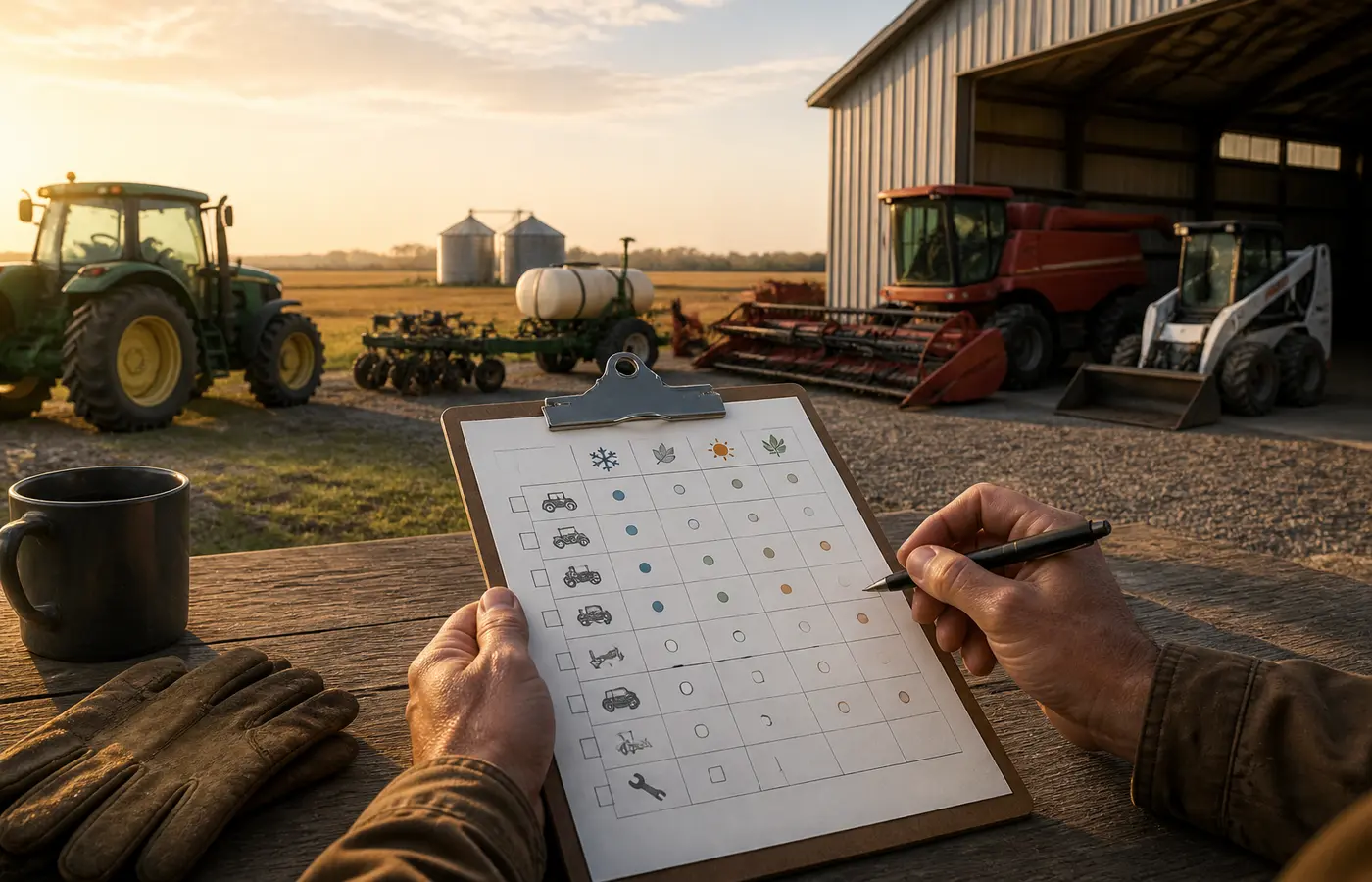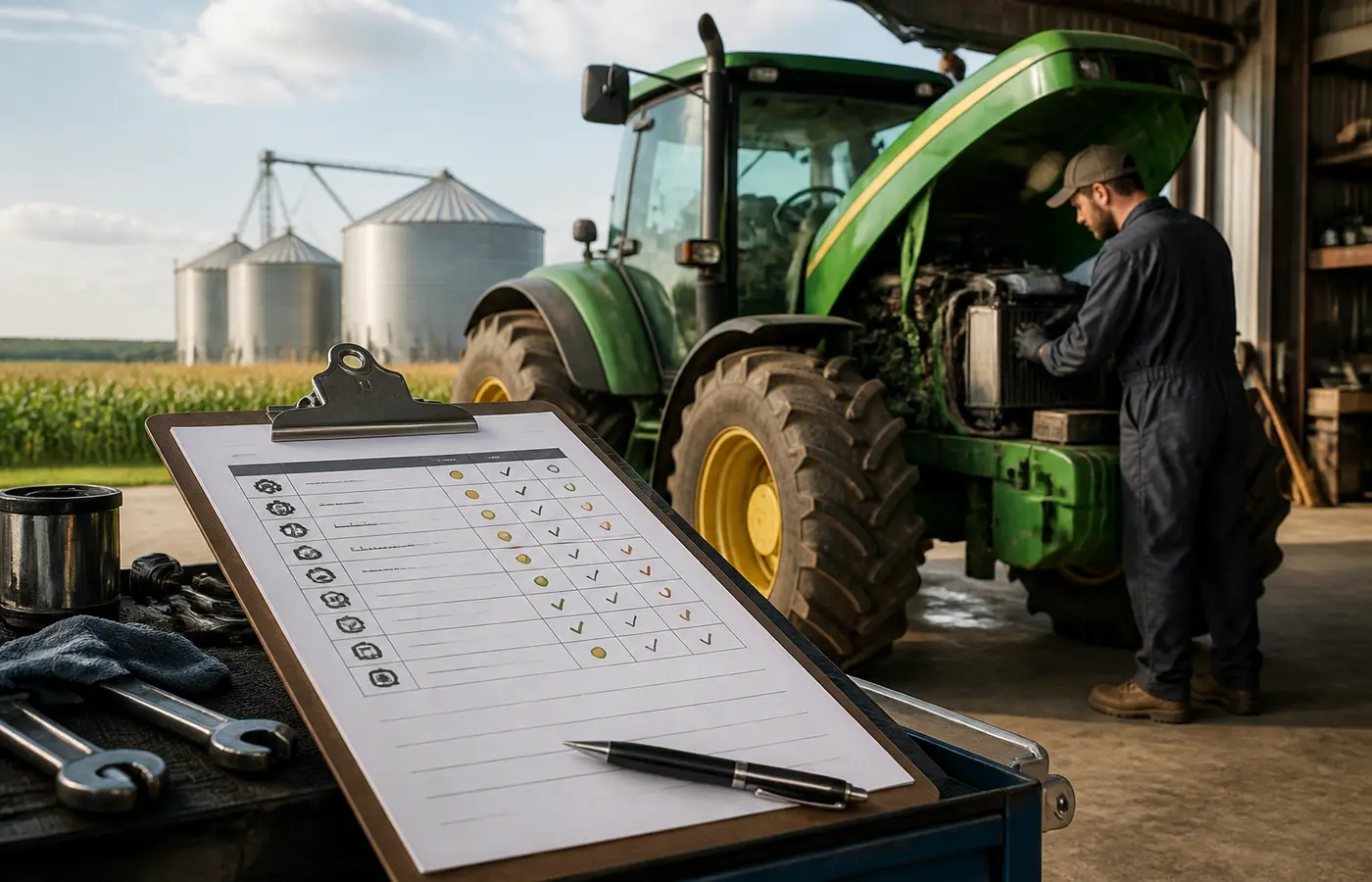
A maintenance record is useful when the next person can understand a machine’s recent service history without relying on memory, a technician’s notebook or a conversation that may not be repeated.
For each service visit, the record should make it possible to answer a limited set of practical questions: Which asset was involved? When and where was it seen? What condition or symptom was reported? What work was recorded? What evidence or materials were retained? Is anything still open?
This is different from a system for assigning maintenance work and verifying that it was completed. A task-control process may name an owner, set a due date and require review. A service-history record preserves what was reported and recorded at a particular point in the asset’s life. Both can be useful, but they should not be confused.
Build one service history for each identifiable asset
The central recordkeeping decision is simple: keep one chronological history for each identifiable asset.
That history can be held in a paper file, spreadsheet, farm-management system or maintenance platform. The tool matters less than the ability to find all relevant entries for the same machine in one place. If a tractor’s inspection notes are in one notebook, repair invoices are with accounts, and operator observations are in a messaging group, the team does not have a usable history. It has fragments.
ACA’s practical framework is to treat the record as an asset history that follows the machine across operators, locations and service visits. It is not a universal legal requirement, and it does not replace manufacturer instructions, local safety requirements or qualified service advice. Its purpose is narrower: to make the recorded history understandable at the next handover.
The Farmbrite equipment maintenance log guidance similarly lists fields such as equipment identification, service date, meter reading, service performed, materials used and next-service information. Those fields are useful examples of the information a farm may choose to maintain. They are not a complete compliance checklist for every operation or equipment type.
A history should be linked to the asset, not to the individual who happened to write the note. Operators change, contractors visit, machines move between units and seasonal workloads interrupt normal routines. A record structure that depends on one person’s recall will become less useful precisely when the team needs it most.
Record the identifiers and operating context that make an entry traceable
Every service entry needs enough context to connect it confidently to the correct machine and point in use. The exact identifier set should match the farm’s existing asset-control method rather than create a parallel naming system.
For many operations, a minimum working context includes:
- the farm’s internal asset ID or other established identifier;
- equipment name and, where useful, make and model;
- service date;
- location, operating unit or field base when that helps distinguish use conditions;
- the relevant hour-meter, mileage or other usage reading; and
- the person reporting the issue or the service provider, where that information affects later interpretation.
An hour-meter reading is especially useful where the farm already uses operating hours to organise inspections or service milestones. It ties an entry to the machine’s use history rather than only to a calendar date. But it should be recorded as an observed reading, not treated as proof that a particular service interval was met. The applicable interval remains a separate matter for the manufacturer’s instructions and the farm’s operating arrangements.
The existing ACA guide on assigning and verifying farm equipment maintenance tasks also highlights the value of using the identifier the farm already relies on, alongside equipment details, location and meter readings where relevant. The important operational point is consistency. If one record calls a machine “Tractor 3,” another uses a registration number and a third uses an informal nickname, later readers may not be able to assemble the history confidently.
For equipment without a practical hour-meter or odometer, do not invent a substitute reading. Record the applicable identifying and operating context instead, such as a unit name, location, season or attachment configuration, if those details genuinely help distinguish the visit.
Keep the report, observation and work record separate
Vague entries are often difficult to use because they collapse several different things into one sentence. “Checked machine, fixed issue” does not show what was reported, what was found, what work was performed or whether the issue remains open.
A clearer entry separates four layers of information:
- Reported symptom or reason for visit — what the operator, supervisor or service provider said prompted the visit.
- Recorded observation — what was observed or measured, if an observation was made and recorded.
- Work performed — the inspection, adjustment, replacement, cleaning, repair or other work documented during that visit.
- Supporting record — parts, materials, readings, photographs, invoices, work orders or external reports that may help a later reader understand the entry.
This structure does not require staff to make a diagnosis beyond their competence. A reported symptom should remain a reported symptom unless a qualified person has recorded a diagnosis. Likewise, work performed should describe what was actually entered into the record, not what the team assumes was done.
For example, a hypothetical entry might read:
Asset EQ-014; 16 May; 1,248 operating hours. Operator reported intermittent warning indication during field operation. Recorded observation: indication not present at time of service visit. Work recorded: visual inspection and connection check completed; service provider report attached. Follow-up: monitor and record recurrence with operating hours.
This example is only a recordkeeping illustration. It does not describe a real farm visit, establish a repair method or recommend a response to a warning indication.
The Farmbrite guidance includes service performed, parts and materials used, and notes on condition or recurring problems among its suggested log fields. These categories are helpful because they distinguish the event from the evidence retained about it. A receipt or photograph should not replace a written description, but it can be referenced so that later staff know supporting material exists and where to find it.
Avoid using the maintenance history to make unsupported causal claims. If the record says a component was replaced, it can state that replacement was recorded. It should not automatically state that the component caused the reported issue unless that conclusion was documented by an appropriate service provider.
Make follow-up visible without turning history into a task system
A service history needs a way to show whether the matter is closed or still requires attention. Without that signal, an unresolved observation may look like a completed repair simply because it appears in an old entry.
A short follow-up field can use practical, neutral statuses such as:
- closed in the record;
- monitor and record recurrence;
- awaiting external service report;
- future inspection noted; or
- next service target recorded.
The field should say what remains open, not merely use a colour or a tick mark with no explanation. “Open” is less useful than “awaiting supplier report referenced in attachment 2026-05-16-A.” “Monitor” is more useful when it identifies what should be recorded if the issue returns.
Farmbrite’s suggested fields include a next service date or meter reading and notes on recurring problems. These can provide a useful handover signal. They do not, by themselves, ensure that future work is assigned, completed or checked.
That distinction matters. A service-history entry may show that follow-up is needed, but a task system answers different questions: Who owns the next action? By when? What evidence will show completion? Who verifies it? Teams that need those controls should use a separate maintenance workflow rather than trying to force every assignment and approval into a historical note.
ACA’s analysis is that the two records should link where useful, but retain their separate purposes. The history gives the next visit a starting point; the task process manages responsibility for work that remains to be done.
Use a repeatable entry format that survives handovers
A repeatable format helps paper, spreadsheet and digital records remain comparable over time. The following is an ACA editorial framework, not a copied template and not a requirement that every farm use every field.
| Record field | What it helps the next reader establish |
|---|---|
| Asset identifier | Which machine or implement the entry concerns |
| Equipment details | Make, model or configuration details when they help distinguish the asset |
| Date and usage reading | When the entry occurred and the recorded point in use |
| Location or operating unit | Where relevant, the context in which the machine was being used or held |
| Reporter or service provider | Who supplied the report or conducted the recorded work, when relevant |
| Symptom or reason for visit | What prompted the service attention |
| Observation recorded | What was seen, measured or noted during the visit, if applicable |
| Work performed | What the record says was done during that visit |
| Parts, materials or readings retained | What supporting details were recorded or attached |
| Follow-up status | Whether the matter is closed, monitored or awaiting another action |
| Supporting-document reference | Where to find a linked invoice, report, photograph or work order |
Consistent labels are generally more valuable than adopting a particular software product. A spreadsheet can provide a durable history if the team uses stable asset IDs, enters information promptly and keeps attachments findable. A digital system can still produce weak records if users enter only “serviced” or “fixed.”
The level of detail should remain proportionate. A routine entry does not need a long narrative merely to look complete. It does need enough information to distinguish the reason for the visit, the recorded work and any continuing question.
Review the history before the next service visit
Before a scheduled visit or a response to a reported issue, review the most recent relevant entries for that asset. Check for unresolved follow-up statuses, recurring reports, recorded usage readings and references to parts or external service documents. Then add the new visit in the same format.
This is a bounded recordkeeping step, not a claim that reviewing records will prevent failures, reduce costs or guarantee accountability. Its value is that the next operator, technician or manager begins with the history that has actually been recorded rather than an incomplete reconstruction from memory.
Keep maintenance decisions separate from the record format. Manufacturer instructions, applicable local safety requirements and qualified service advice remain the appropriate inputs for equipment-specific work, service intervals and repair decisions.
If your immediate problem is not historical continuity but ensuring that open work has an owner and a verification step, use the related ACA guide on how to assign and verify farm equipment maintenance tasks. Start by choosing one asset with a fragmented history, consolidate its recent entries under the farm’s existing identifier, and use that format for the next service visit.
Source and further reading
ACA’s practical examples and working checklists are independent editorial analysis. The linked source provides the underlying reference; it does not endorse this article.