After harvest, a residue decision becomes part of the next crop’s starting conditions. The team may be considering surface cover, collection, livestock use or the requirements of an upcoming operation. A plan is more useful when it records those competing objectives before a method is chosen.
FAO’s soil organic cover guidance describes surface residues and cover crops as ways of keeping soil covered within conservation agriculture. It connects cover with processes such as protection from rainfall and water movement, while acknowledging the management needed for cover crops. These general principles do not establish a suitable practice for every field or prescribe a China-specific programme.
Map where cover is uneven
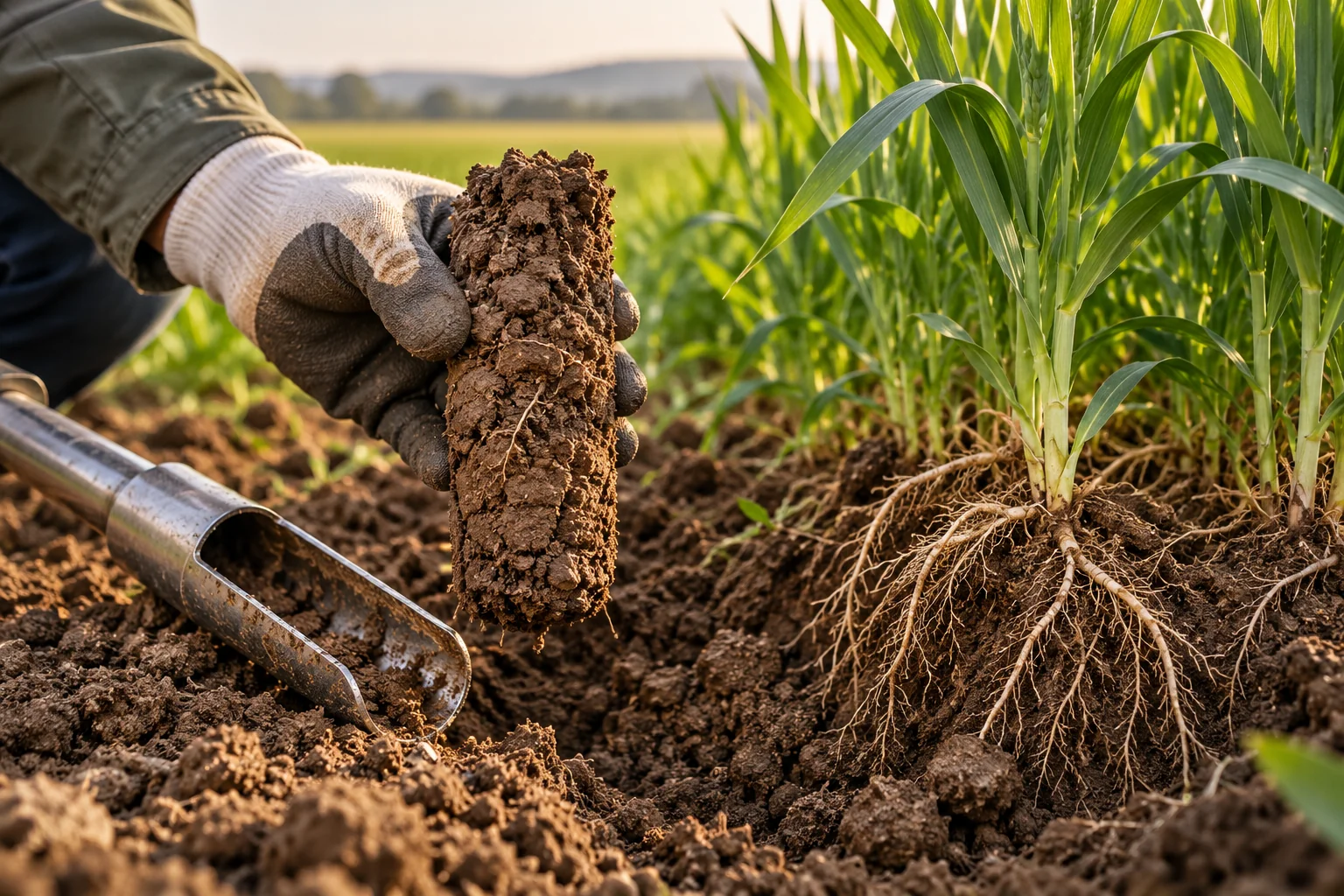
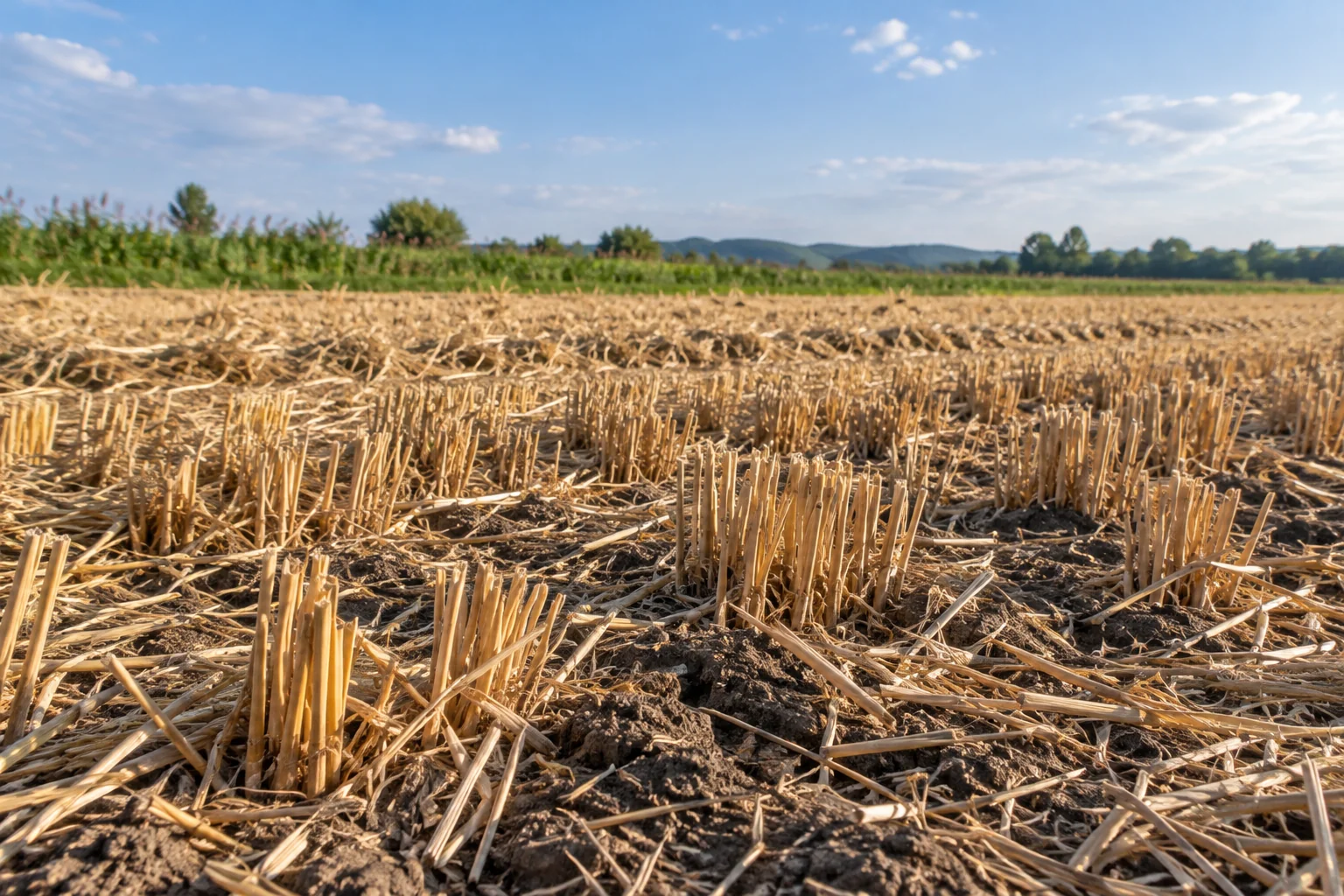
Start with field observations rather than a whole-field assumption. Note where residue is concentrated, where it is sparse and where machinery regularly travels. Keep a few repeatable photo locations so that the team can revisit the same areas.
Describe what is visible without treating it as a diagnosis. A patch of bare ground or a heavy accumulation is evidence to discuss with the next operation’s requirements; it is not, by itself, proof of a particular yield outcome.
Put the next operation on the same sheet
List the following crop, intended field access and the work that will take place before establishment. Discuss the plan with the people using the equipment. An option that appears attractive on a cropping calendar may need a different sequence of work on the ground.
Where the team is considering a cover crop, record the purpose and the questions that require local advice. Species choice, water availability and the timing of the following crop should not be supplied by a generic online checklist.
| Planning question | Evidence or discussion to preserve |
|---|---|
| What is the intended purpose? | A named objective, not a vague benefit |
| Where is coverage uneven? | Field notes and repeatable photo positions |
| What else uses the residue? | Collection or livestock requirements |
| What comes next? | The following crop and operation sequence |
| What needs local review? | A question and a responsible adviser |
The table is ACA’s planning aid. It is not a validated scoring tool or a recommendation for a specific residue treatment.
Record the trade-off instead of hiding it
If material is removed for another use, note that choice and its purpose. If material is retained, record how it is distributed and any operational concern the team expects to investigate. Keeping the reason makes a later review more informative than a simple completed-task entry.
For example, a team might want more cover while another operation needs an accessible route. That tension should be discussed explicitly. The article does not determine which objective should take priority; it offers a way to preserve the reasoning behind the choice.
Observe the following season without promising a result
Choose useful points for follow-up: before the next operation, during establishment and when reviewing the season. Record changes in the same locations and connect them with the actual management history.
Avoid attributing every difference to residue management alone. A useful review identifies what changed, what was observed and what remains uncertain. It does not turn a comparison between two seasons into a controlled trial.
Finish with a question the team can act on
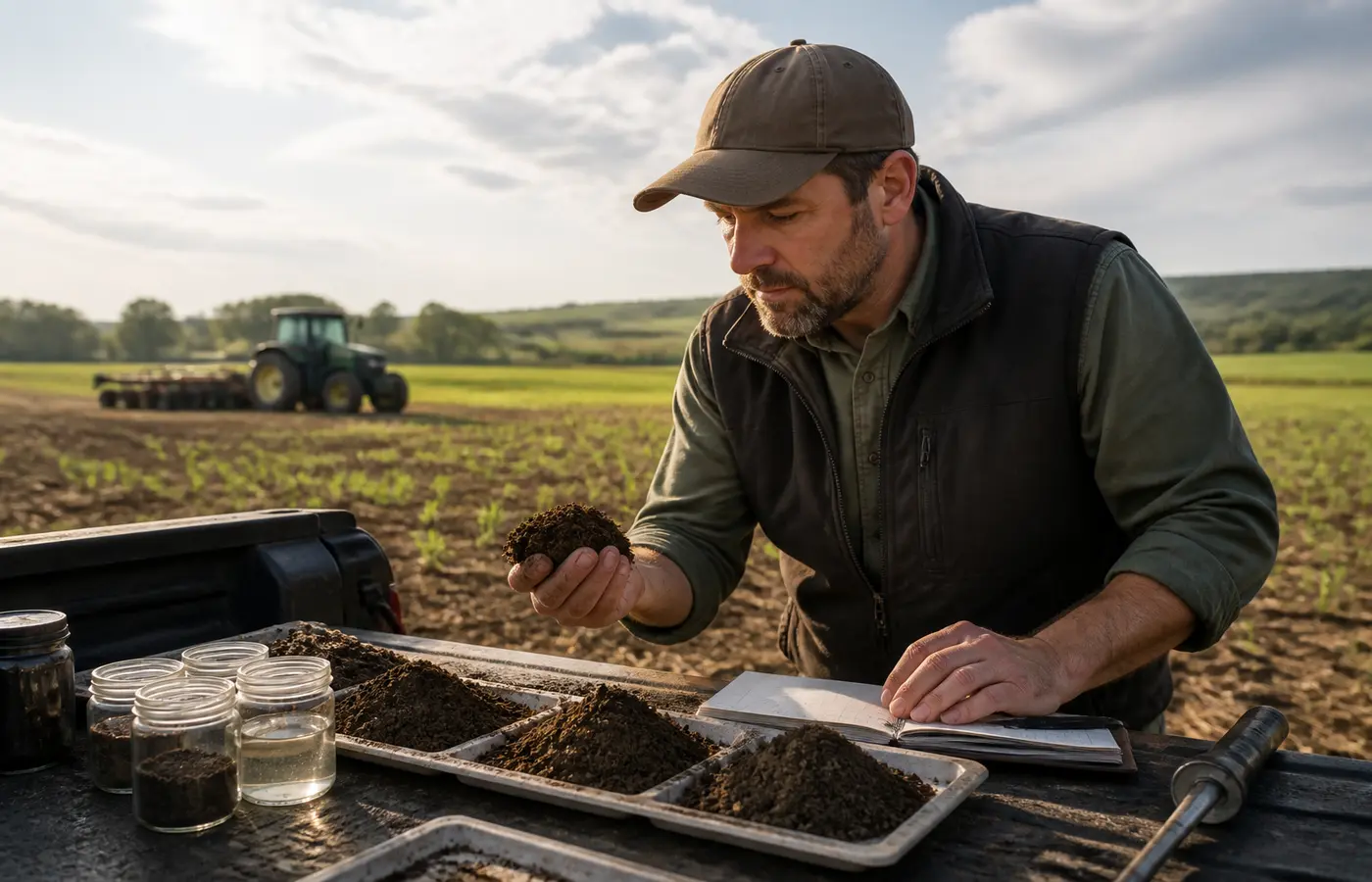
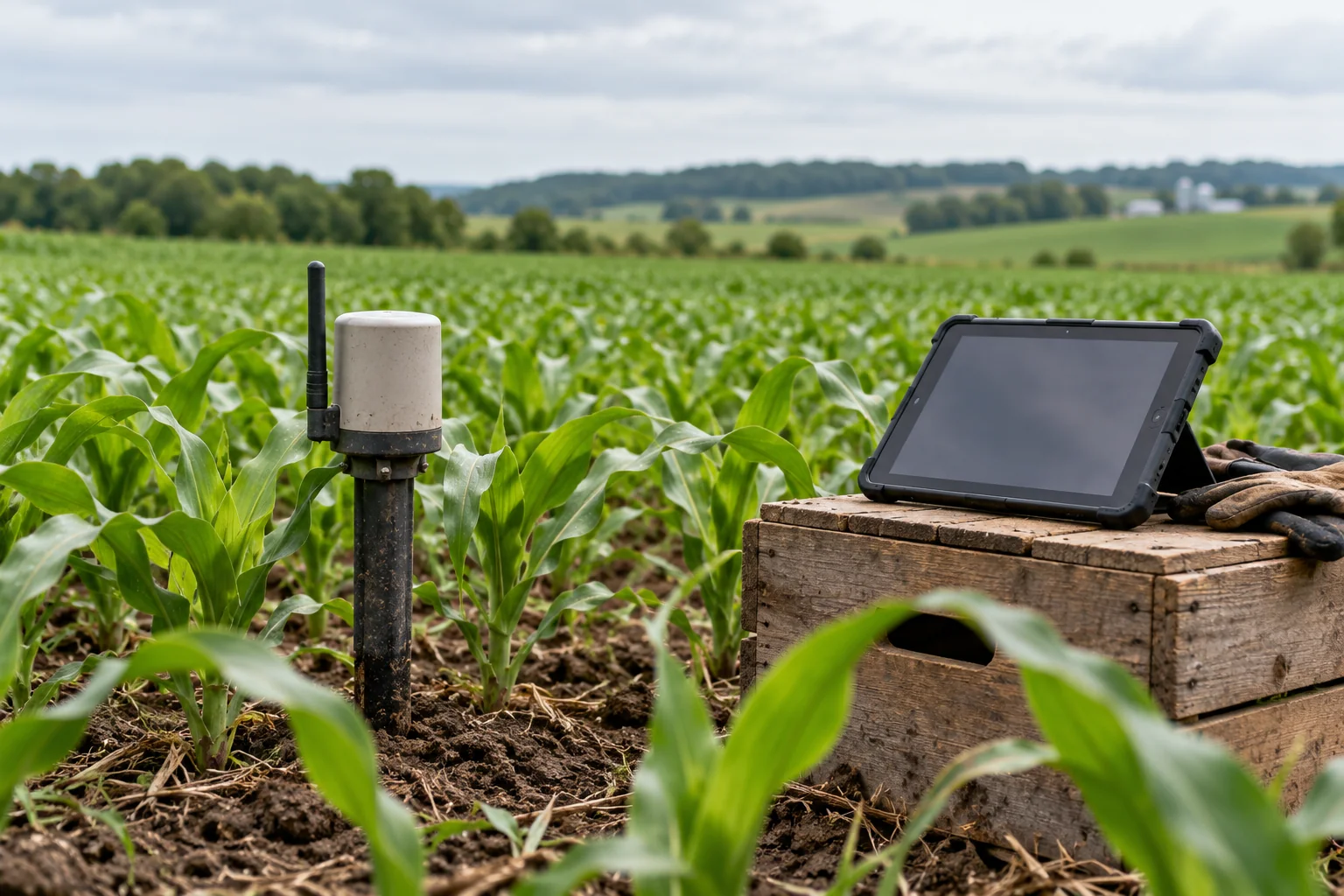
The plan should leave people knowing which decision is settled and which still needs investigation. Where measurements are needed, connect the field notes with a soil assessment that records location and method.
International guidance can help frame the discussion, but crop, site and local operational requirements belong at the center of the decision. An explicit record of those requirements is a stronger seasonal tool than an unqualified promise about yield, fertilizer savings or soil improvement.
Source and further reading
- Soil organic cover
FAO · Accessed 2026-10-13
ACA’s practical examples and working checklists are independent editorial analysis. The linked source provides the underlying reference; it does not endorse this article.