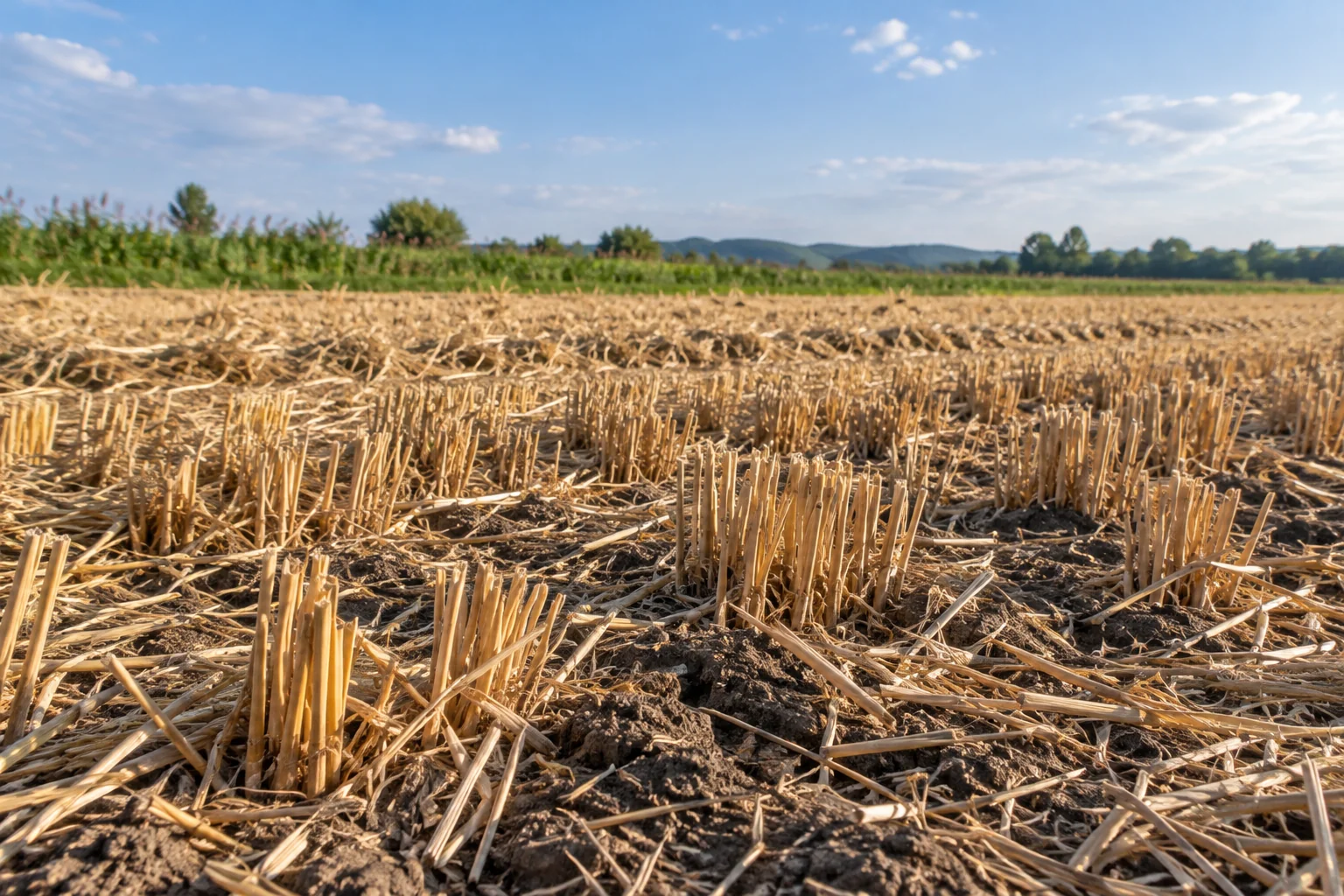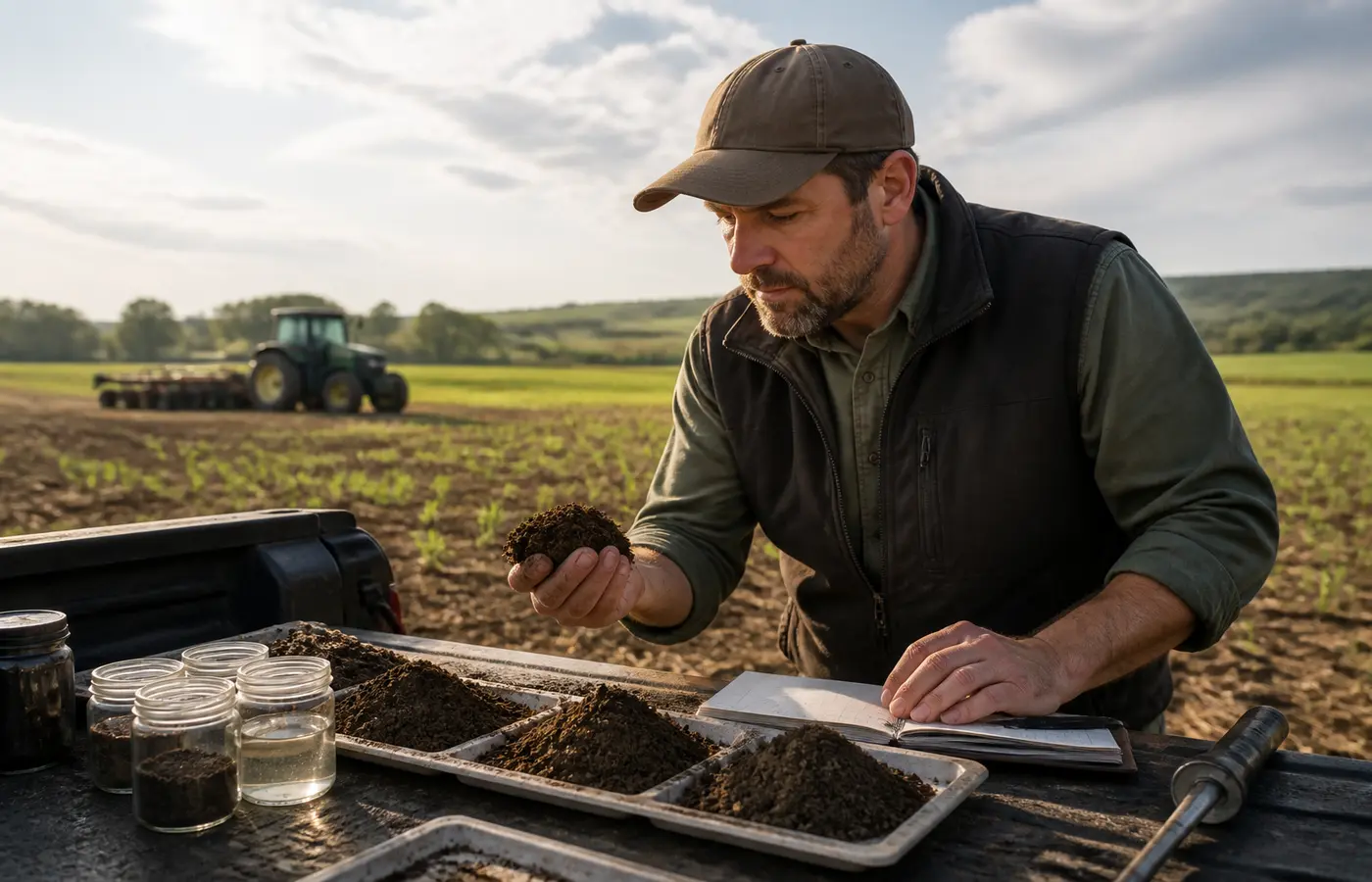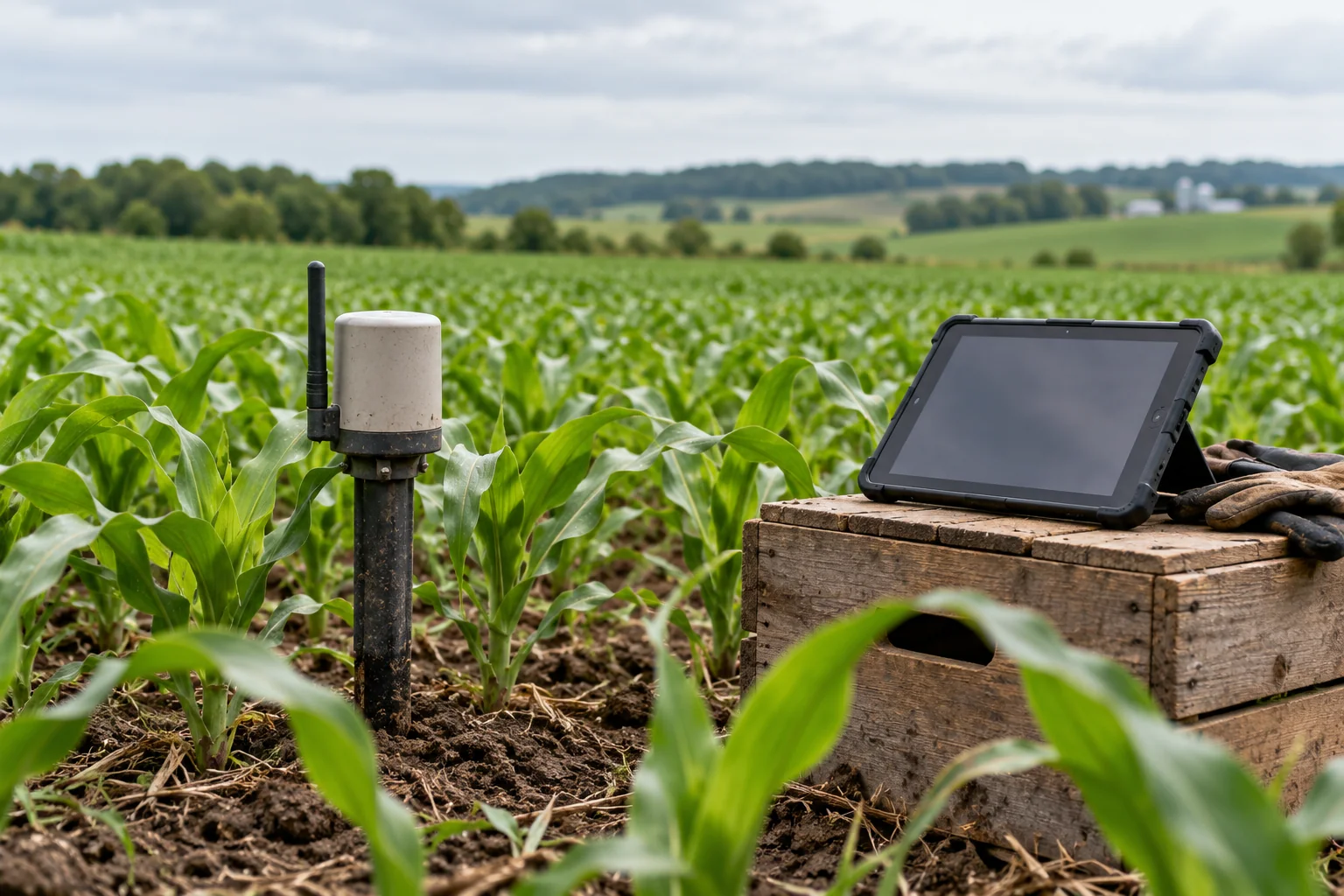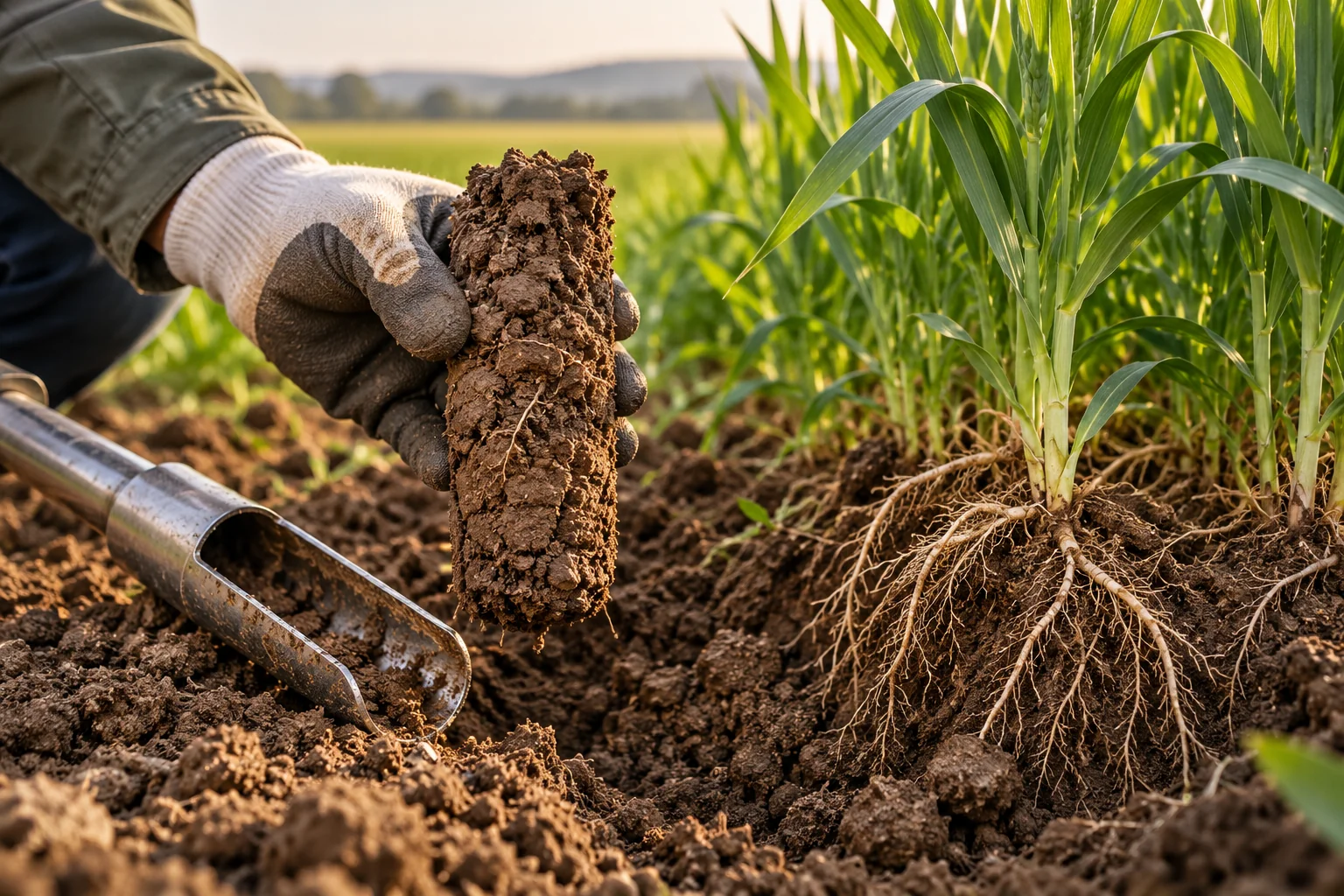
A soil report can contain plenty of numbers without explaining the field problem that prompted the test. An assessment becomes useful when the team can connect a measurement to a location, a question and a management history. The aim is not to collect every available test; it is to make the evidence interpretable.
The USDA NRCS soil health assessment framework explains that soil health is evaluated through indicators rather than measured directly as one outcome. Those indicators can describe physical, chemical and biological characteristics. Yield alone, or any other single result, cannot stand in for the whole assessment.
Begin with the question the field raises
Write the issue in ordinary language before choosing a measurement. Is the team investigating water collecting in one area, uneven establishment or a change following an operation? Identify where the concern is visible and where it is not.
This first distinction can shape the sampling conversation. A record that combines the access track, a low corner and the field center into one undifferentiated description may be difficult to interpret later. Ask a suitable local adviser which areas should be assessed separately.
Keep observation, measurement and interpretation apart
Use three columns in a field notebook. The first records what someone observed. The second records the measurement and method. The third records an interpretation or a question that still needs investigation.
For example, “water remained in this corner after rain” is an observation. A measured infiltration result is a different piece of evidence. “Compaction caused the issue” is an interpretation that needs support. Keeping the three apart prevents an early guess from becoming a permanent fact in the record.
Choose a repeatable comparison
A comparison needs context: sampling location, depth, timing, method and relevant recent operations. Preserve those details with the result. When the approach changes, note it rather than presenting the new value as directly comparable to the old one.
| Record | Why it belongs beside the result |
|---|---|
| Field and sampling position | Shows which area the result represents |
| Sampling date and conditions | Preserves the context of the visit |
| Method and units | Helps explain apparent differences |
| Management history | Identifies events worth considering |
| Unresolved question | Keeps the next investigation explicit |
These are ACA recordkeeping suggestions, not a replacement for a laboratory’s sampling instructions or a validated scoring system.
Avoid turning the score into a diagnosis
A numerical score can make an assessment easier to communicate, but the component results still matter. Ask what the score includes, what it excludes and whether its comparison group is appropriate for the field. A dashboard should not hide a change in the measurement method.
For readers working with Chinese soils, an American framework offers a way to think about evidence, not a universal set of local thresholds. Interpretation should account for the soil, crop and conditions at the site. Do not import a threshold simply because it appears in another region’s guidance.
Turn the findings into the next useful visit
End an assessment with a short list of questions and an owner for each one. Some may require a repeat observation; others may call for specialist interpretation. Retain the original report and photographs so the next person can see what the team actually measured.
The useful outcome is a clearer investigation, not a claim that the whole field has been explained by one number. If the team changes its seasonal practices, connect the assessment to the crop residue plan and record what changed before evaluating the following crop.
Source and further reading
- Soil Health Assessment
USDA NRCS · Accessed 2026-10-13
ACA’s practical examples and working checklists are independent editorial analysis. The linked source provides the underlying reference; it does not endorse this article.